Spine
General Information on Spinal Conditions & Treatments
This information, created by 3rd party providers, has been compiled for the purpose of general patient information only. The information contained may, or may not, reflect the views of Dr Diwan and the Spine Service team, and is not intended for diagnosis or individual treatment recommendations.
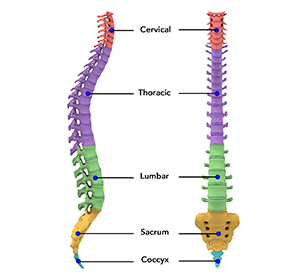
Anatomy of the Spine
The spine also called the backbone, is made up of vertebral bones with cushioning intervertebral discs between them. The spine is designed to give us stability and smooth movement, as well as providing a corridor of protection for the delicate spinal cord. It is supported by muscles, tendons, and ligaments, and innervated by nerves that branch out from the centrally placed spinal cord.
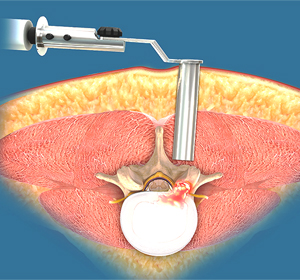
Minimally Invasive Spine Surgery
MISS is the latest advanced technology available to perform spinal surgeries through small, less than one inch long, incisions.
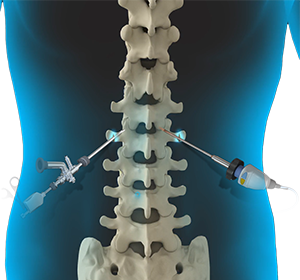
Endoscopic Spine Surgery
Endoscopic Spine Surgery is a minimally invasive spine procedure that uses high-definition endoscopic visualization and specialized tools to access the spine through tiny incisions.
Robotic Spine Surgery
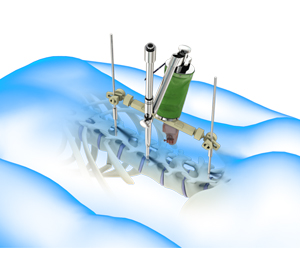
Robotic spine surgery is a procedure where your surgeon is assisted by a robotic system to perform surgery to the spine.
Spinal Decompression
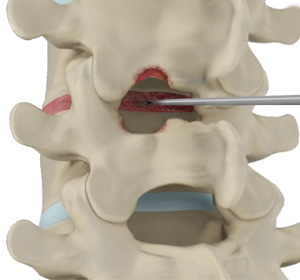
Spinal decompression is a treatment to relieve pressure on one or many “pinched nerves” in the spinal column.

Anterior Cervical Decompression Fusion
Anterior cervical discectomy with fusion is an operative procedure to relieve compression or pressure on nerve roots and/or the spinal cord due to a herniated disc or bone spur in the neck.
Lumbar and Cervical Laminectomy
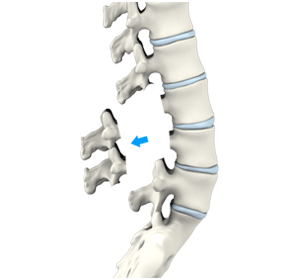
Lumbar laminectomy, also known as decompression laminectomy, is a spinal surgery done to relieve excess pressure on the spinal nerve(s) in the lumbar (lower back) region.
Foraminotomy (Lumbar and Cervical)
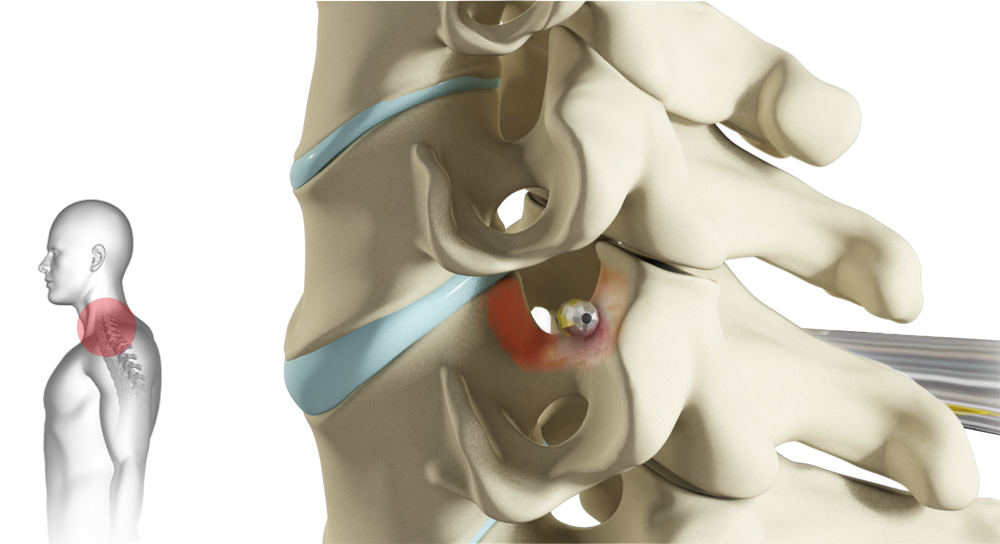
Cervical foraminotomy is an operative procedure to relieve the symptoms of pinched or compressed spinal nerve by enlarging the neural foramen
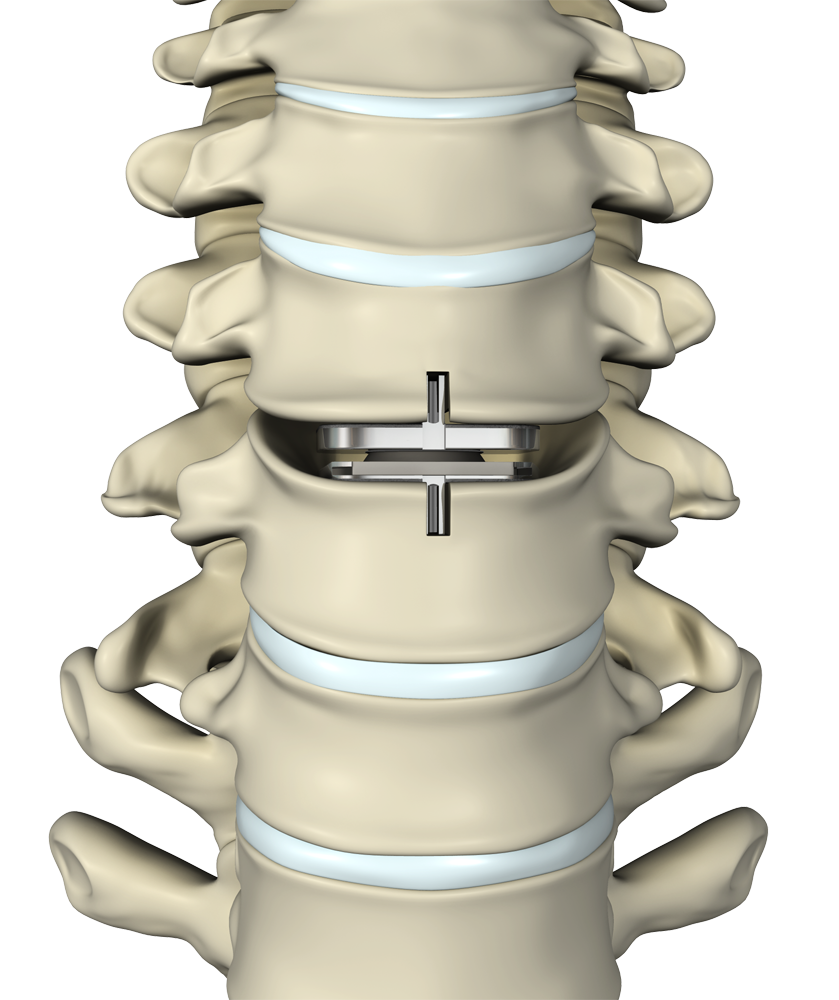
Total Disc Replacement
Total disc replacement is a surgical procedure in which the diseased or damaged intervertebral discs of the spinal column
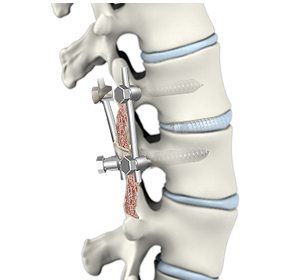
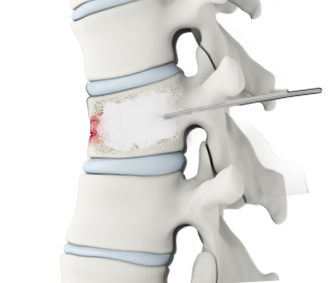
Vertebroplasty
Vertebroplasty is a minimally invasive procedure performed to reduce or eliminate pain caused by a vertebral compression fracture.
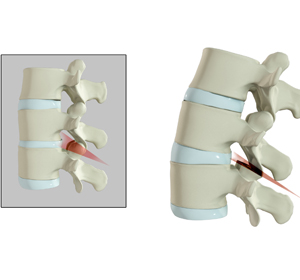
Spine Osteotomy
Spine osteotomy is a surgical procedure in which a section of the spinal bone is cut and removed to allow for correction of spinal malalignment.
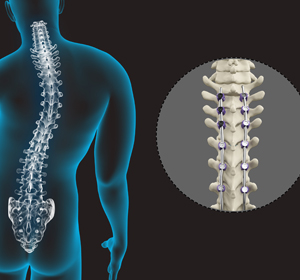
Spine Deformity Surgery
Spine deformity can be defined as abnormality in the shape, curvature, and flexibility of the spine.
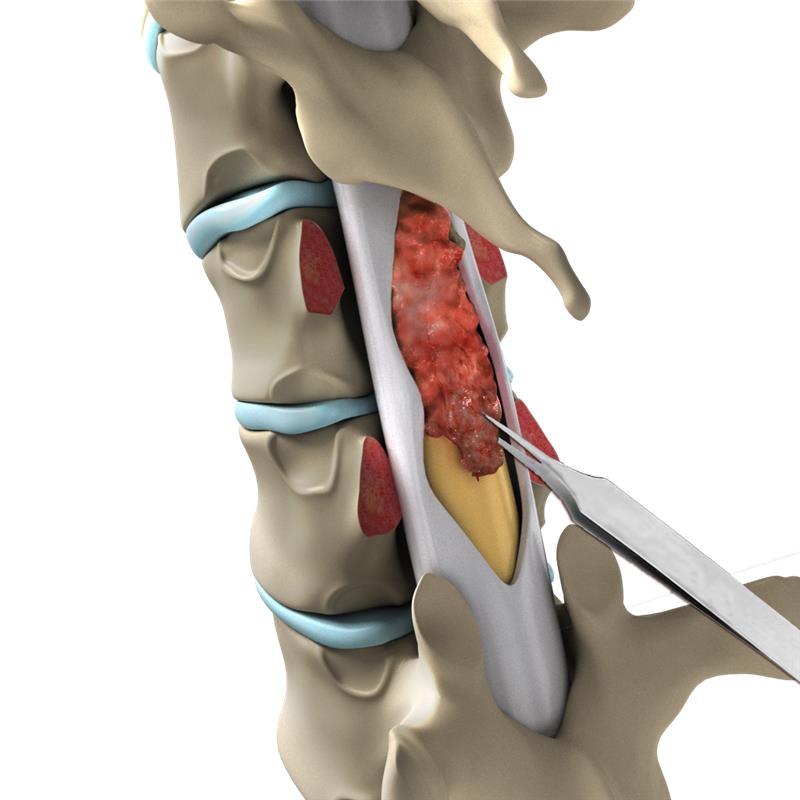
Spine Tumour Surgery
Spine tumour is the abnormal growths of uncontrolled tissues or cells in and around the spinal cord.
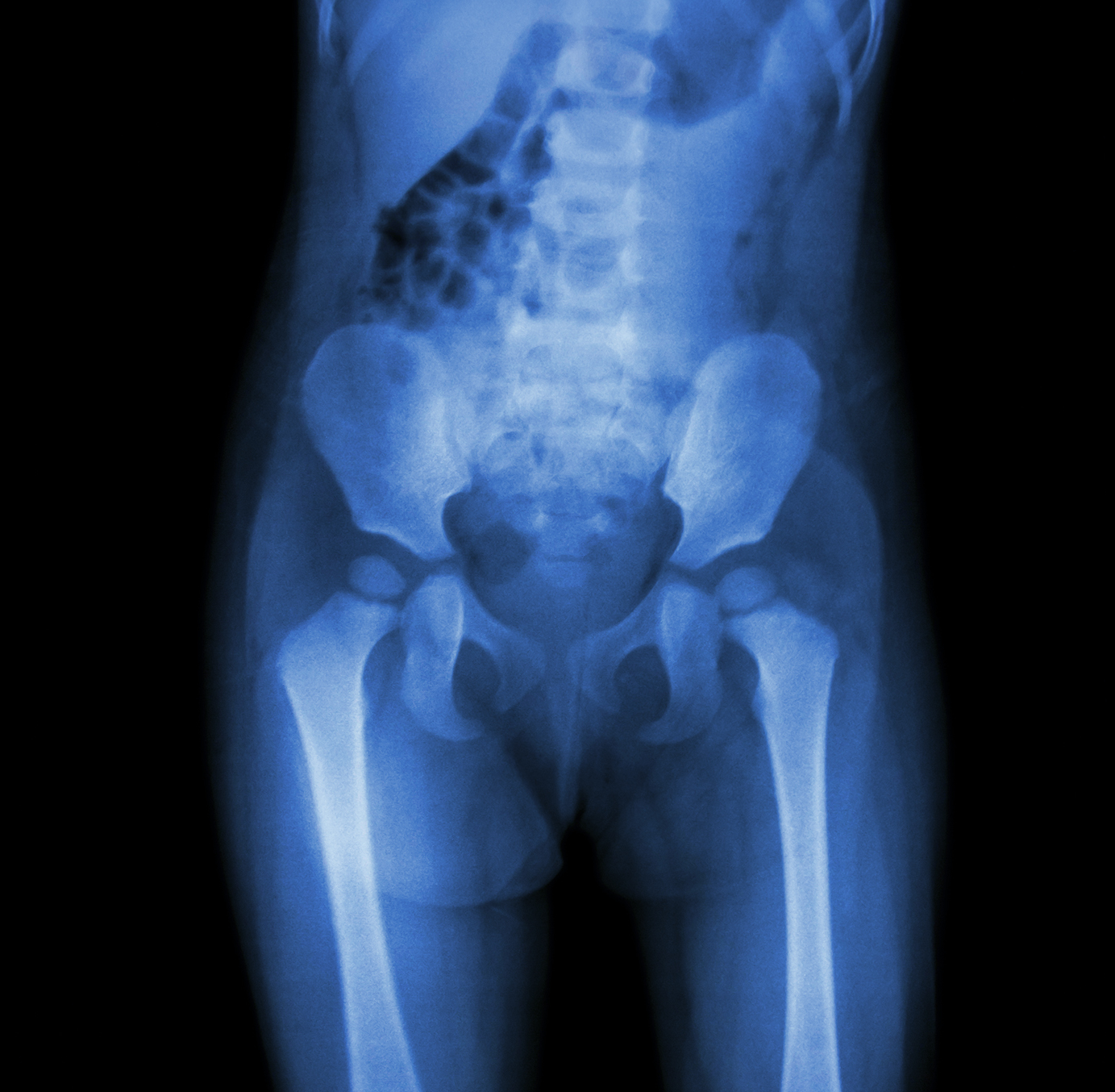
Paediatric Spine
Pediatric spine care refers to the specialised evaluation, diagnosis, and treatment of spine conditions in children and adolescents.

Medications
Medications play an effective role in the treatment of back or neck pain. Your doctor may prescribe several medications to help reduce pain and associated symptoms that are caused by unhealthy spinal conditions or deformities.
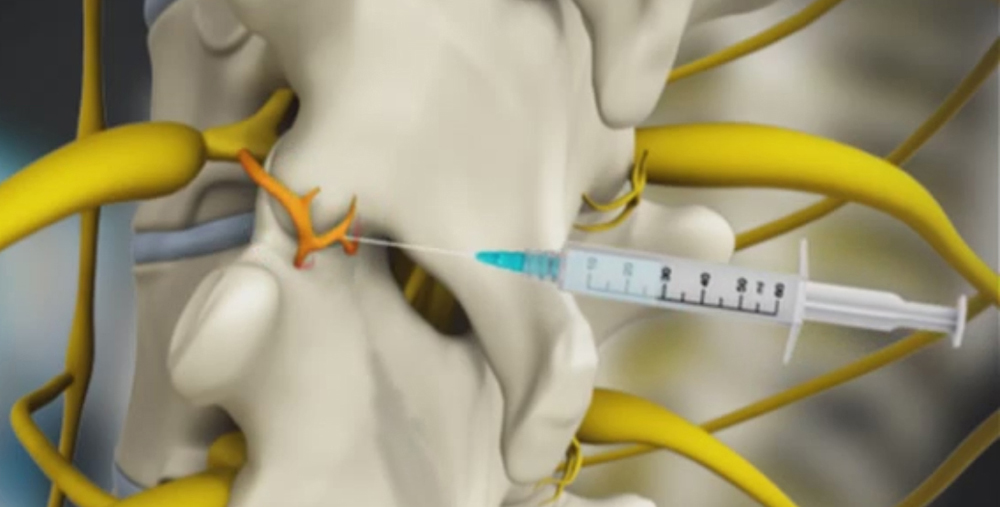
Medial Branch Block Injections
A medial branch block is an injection of a local anaesthetic administered near the medial branch nerves to temporarily block the pain signal carried from the facet joints of the spine to the brain.
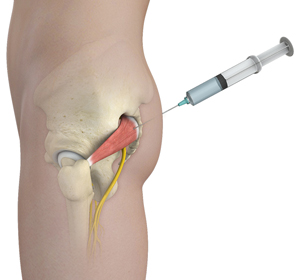
Piriformis Muscle Injection
A piriformis muscle injection is used to alleviate the spasm and pain of sciatica. The injection comprises an anaesthetic and steroid to reduce the spasm.
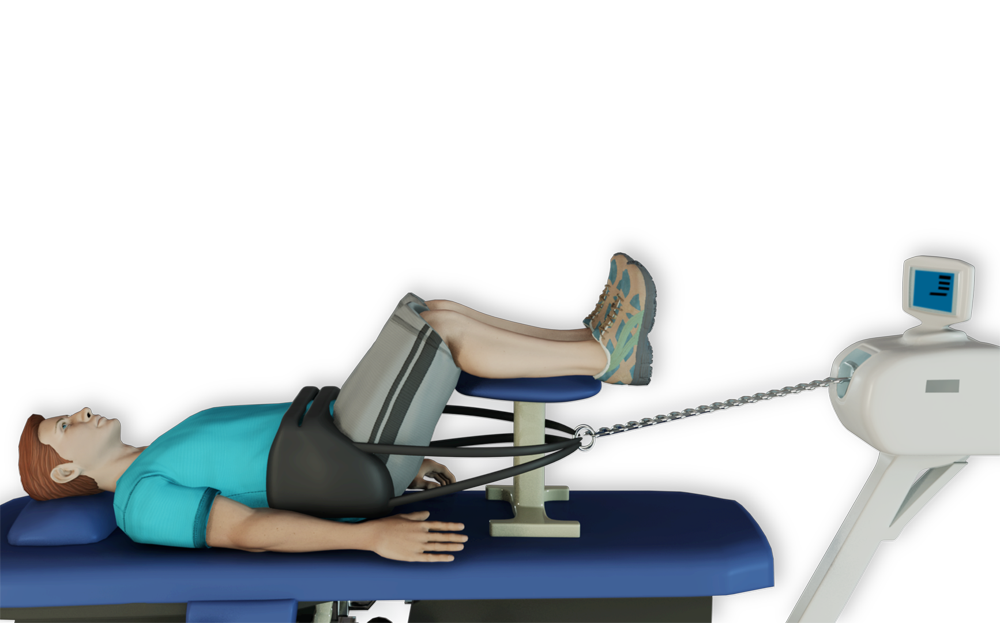
Cervical/Lumbar Traction
Traction or spinal decompression therapy separates the vertebrae and reduces the pressure on the nerves.
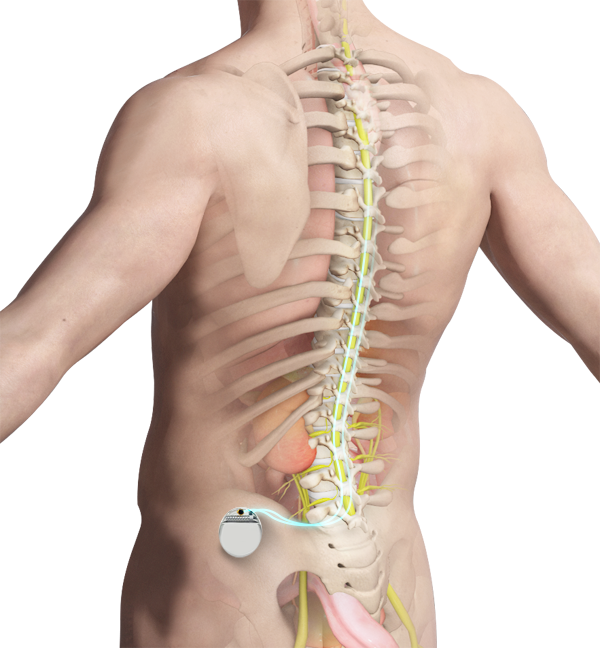
Spinal Cord Stimulator
A spinal cord stimulator is a device that sends electrical impulses to the areas of the spinal cord causing pain and interferes with the transmission of pain signals to the brain.
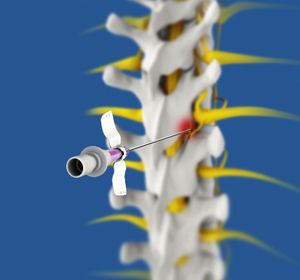
Radiofrequency Ablation
Radiofrequency ablation (RFA), also called rhizotomy or neurotomy, is a novel non-surgical technique of treating pain.

A Guide to Surgery
Patient Education information on some of our common procedures. Find out what to expect, answers to frequently asked questions and how to effectively participate in your recovery

Post-operative Instructions
Your surgeon may recommend a few specific post-operative instructions following spinal surgery.

Spine Rehabilitation
Dysfunction of the spine can be severely debilitating to one’s ability to perform activities at both home and work.

Healthy Back Tips
Back and neck pain is the most common health problems experienced by most people, at some point in their lives.
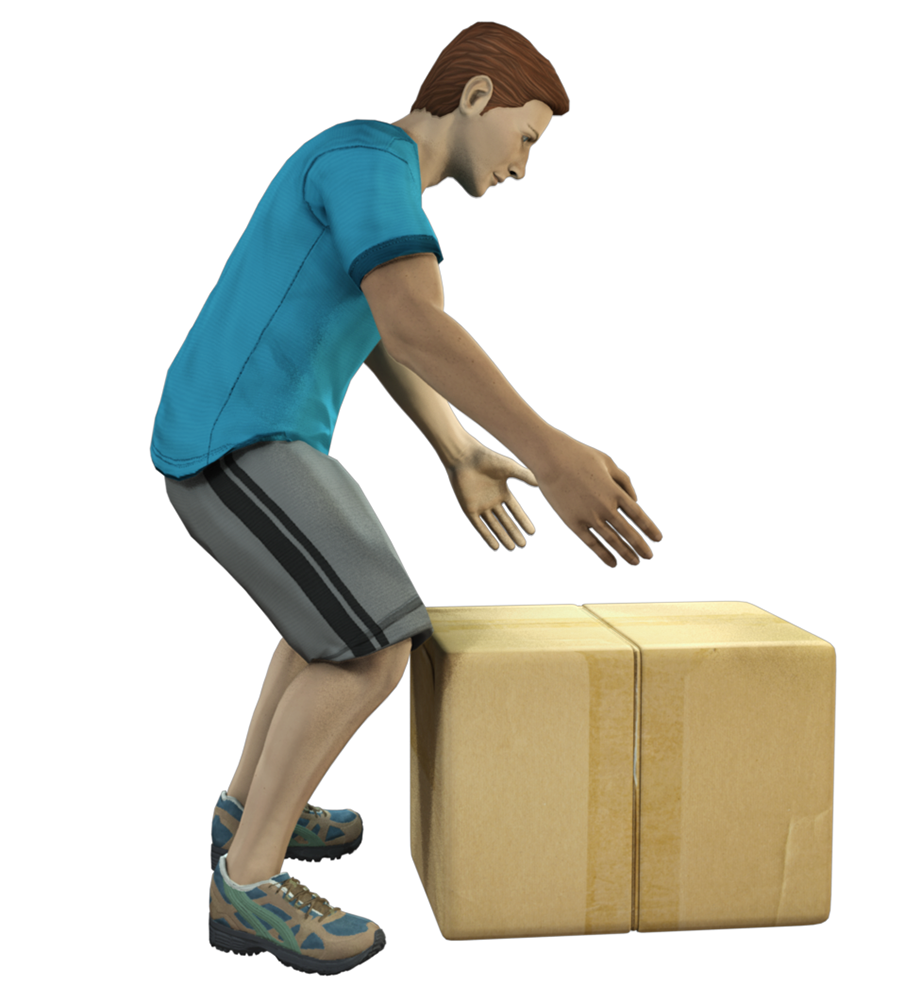
Proper Lifting
Lifting heavy weights and improper lifting of weights is one of the foremost causes of neck pain or lower back pain.
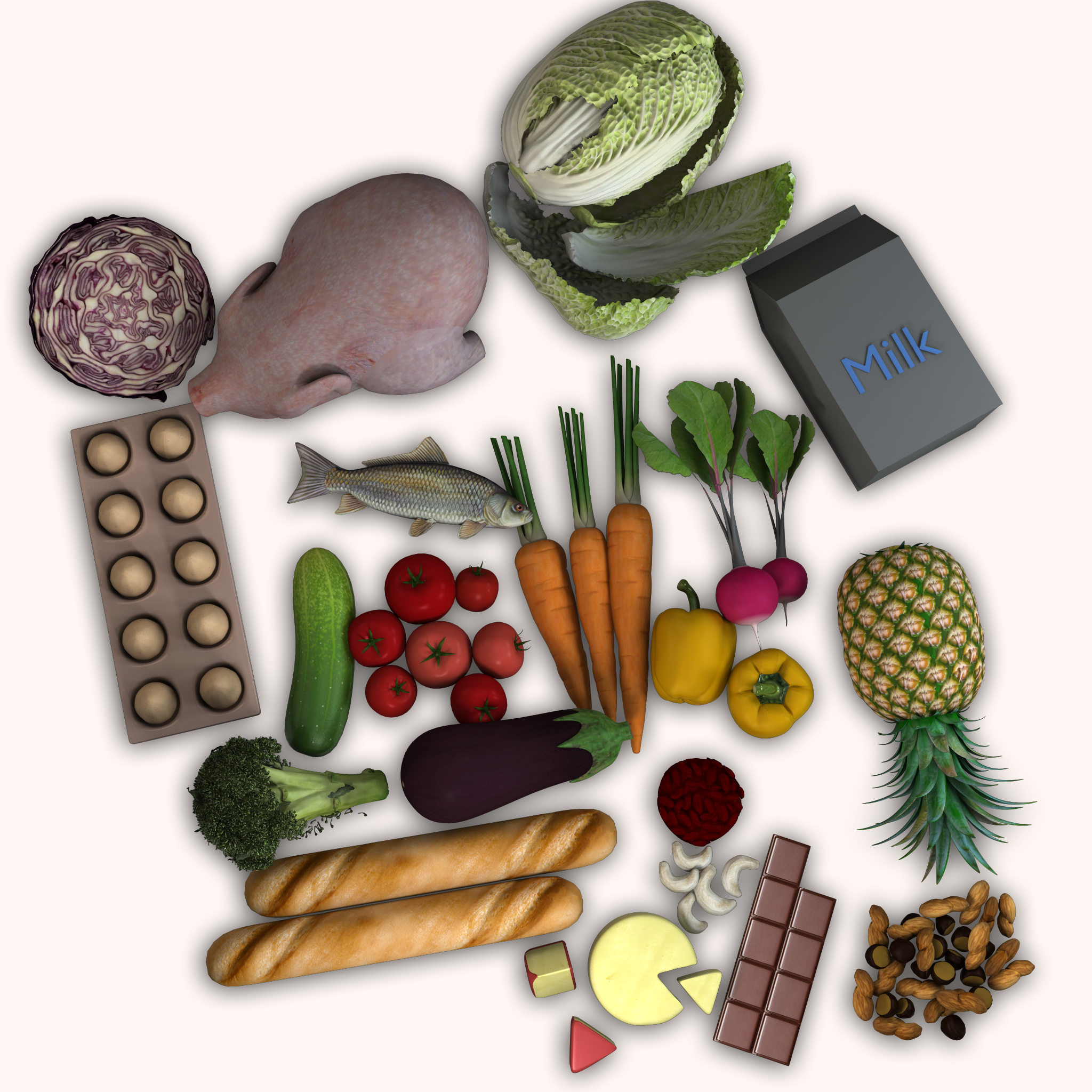
Nutrition and your Spine
Nutrients are the chemical components present in food, which provide energy for carrying out normal physiological functions and aid in various metabolic processes of the body.

Possible Complications of Spinal Surgery
Possible complications may occur before surgery, during surgery and after surgery. The most serious complication of a herniated disc that may occur before surgery is the development of the cauda equine syndrome.
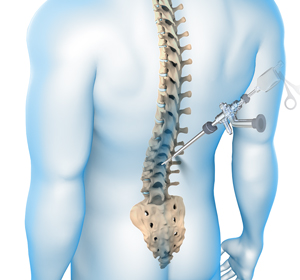
Endoscopic Spine Surgery
Endoscopic spine surgery is a minimally invasive spine surgery that uses specialized video cameras and instruments to remove the herniated disc through very small incisions.
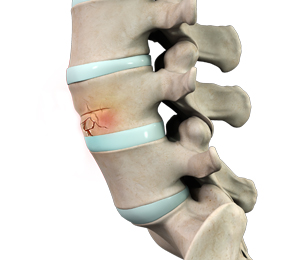
Vertebral Compression Fractures
Vertebral compression fractures are usually caused by osteoporosis, a condition that causes thinning of the bone.
Back Pain
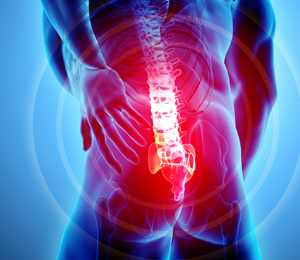
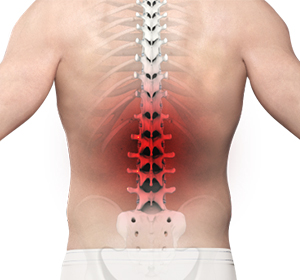
Back pain or backache is the pain felt in the back that may originate from damage to the muscles, nerves, bones, joints or other structures in the spine.
Herniated Disc
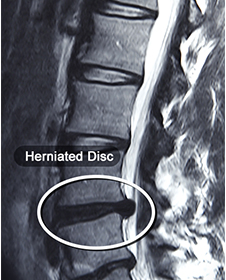
The bones in the spinal column called vertebrae surround the spinal cord and other nerves and are cushioned by soft intervertebral discs that act as shock absorbers for the spine.
Spine Deformities
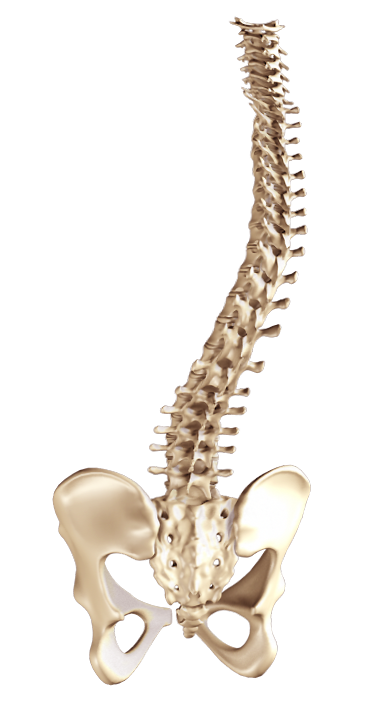
Spine deformities occur when the spine curves or aligns abnormally, affecting posture and movement. Early diagnosis and treatment can help manage symptoms and improve quality of life.
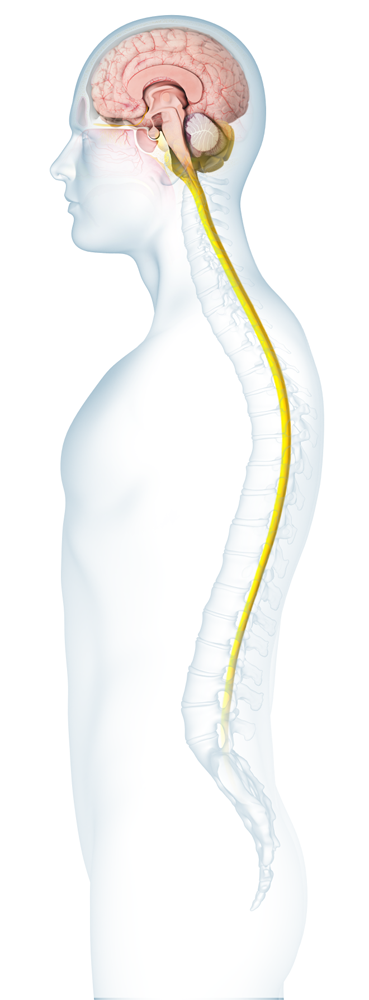
Chordoma
Chordoma is a rare, slow-growing malignant tumour that develops in the spine and skull bones.
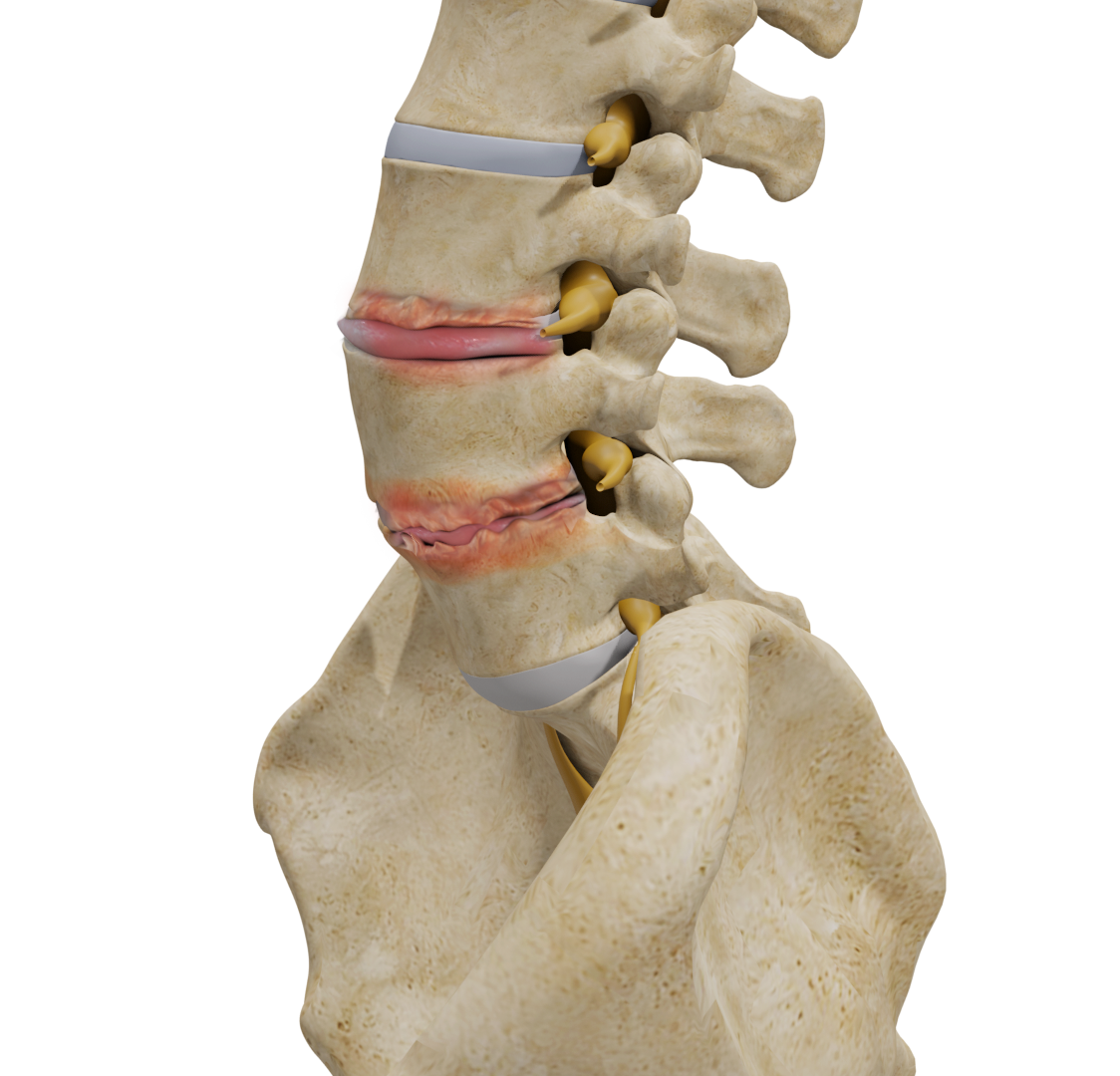
Degenerative Disc Disease
Degenerative disc disease (DDD) refers to the gradual deterioration of the intervertebral discs between the vertebrae.
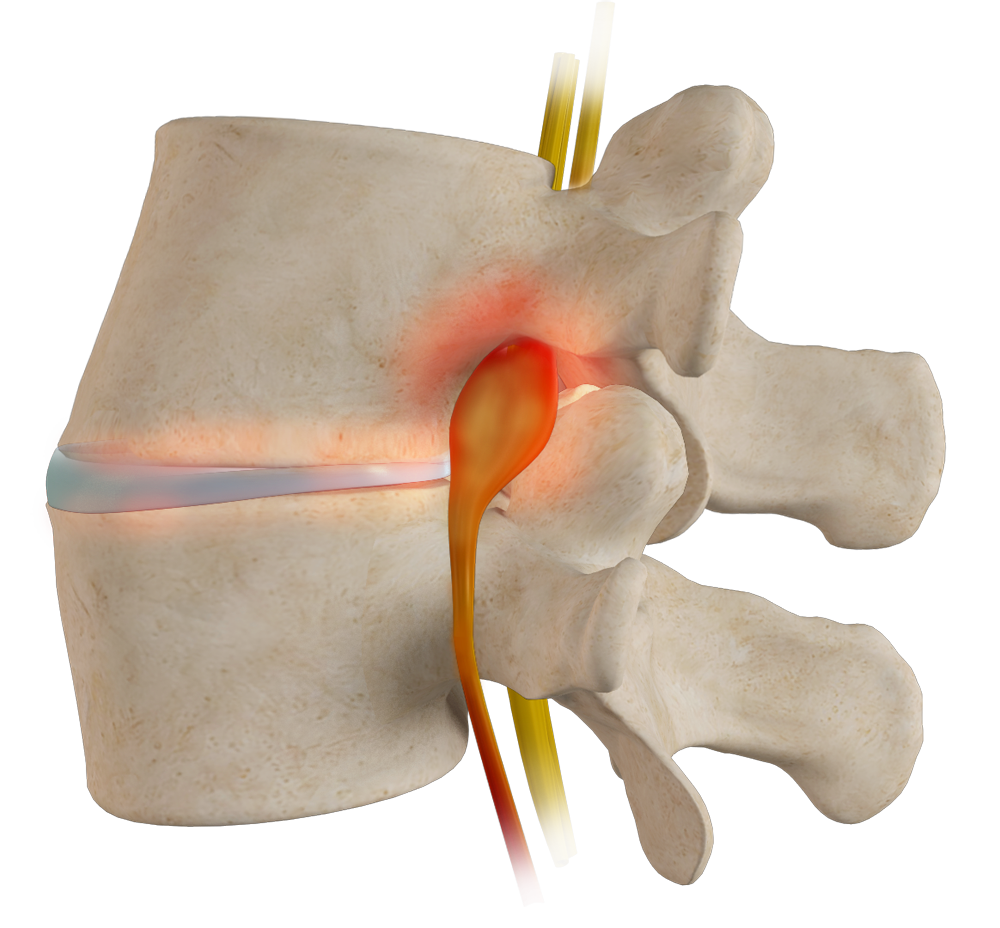
Spinal Stenosis
Spinal stenosis is a condition caused by the vertebral column constricting and exerting pressure on the spinal cord or neural foramen (a bony tunnel through which a nerve exits the spinal cord).
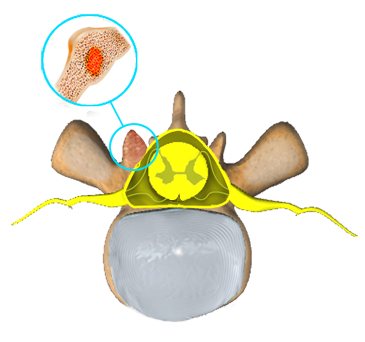
Spinal Tumours
Spine tumour is the abnormal growths of uncontrolled tissues or cells in and around the spinal cord.
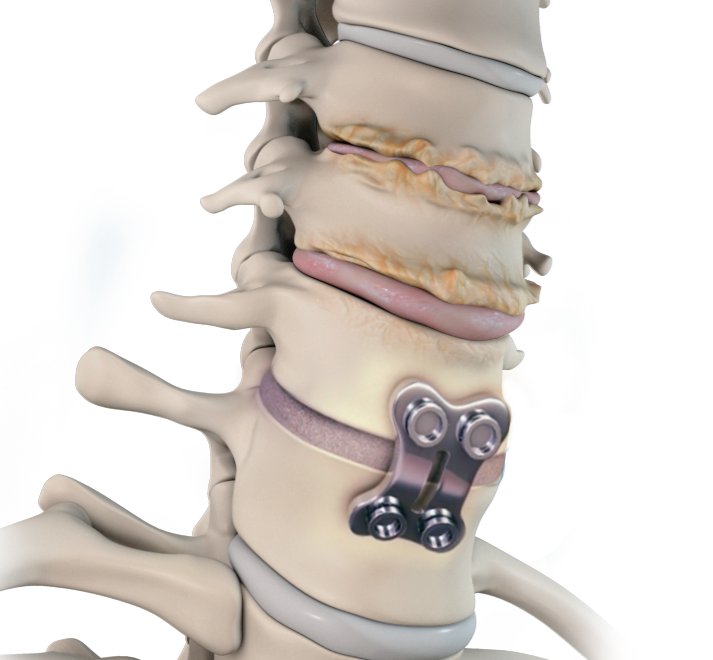
Adjacent Segment Disc Disease
Spinal fusion surgery involves the fusion of two or more vertebral bones and is a standard of care for spinal deformities and conditions such as radiculopathy, myelopathy, and spondylolisthesis.
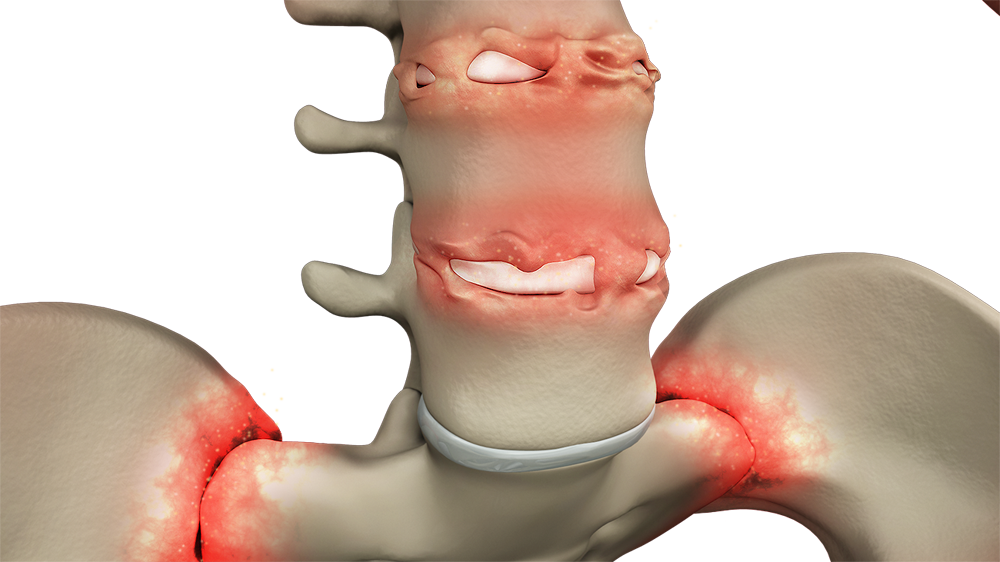
Ankylosing Spondylitis
Ankylosing spondylitis is a systemic disease affecting other tissues and organs throughout the body.
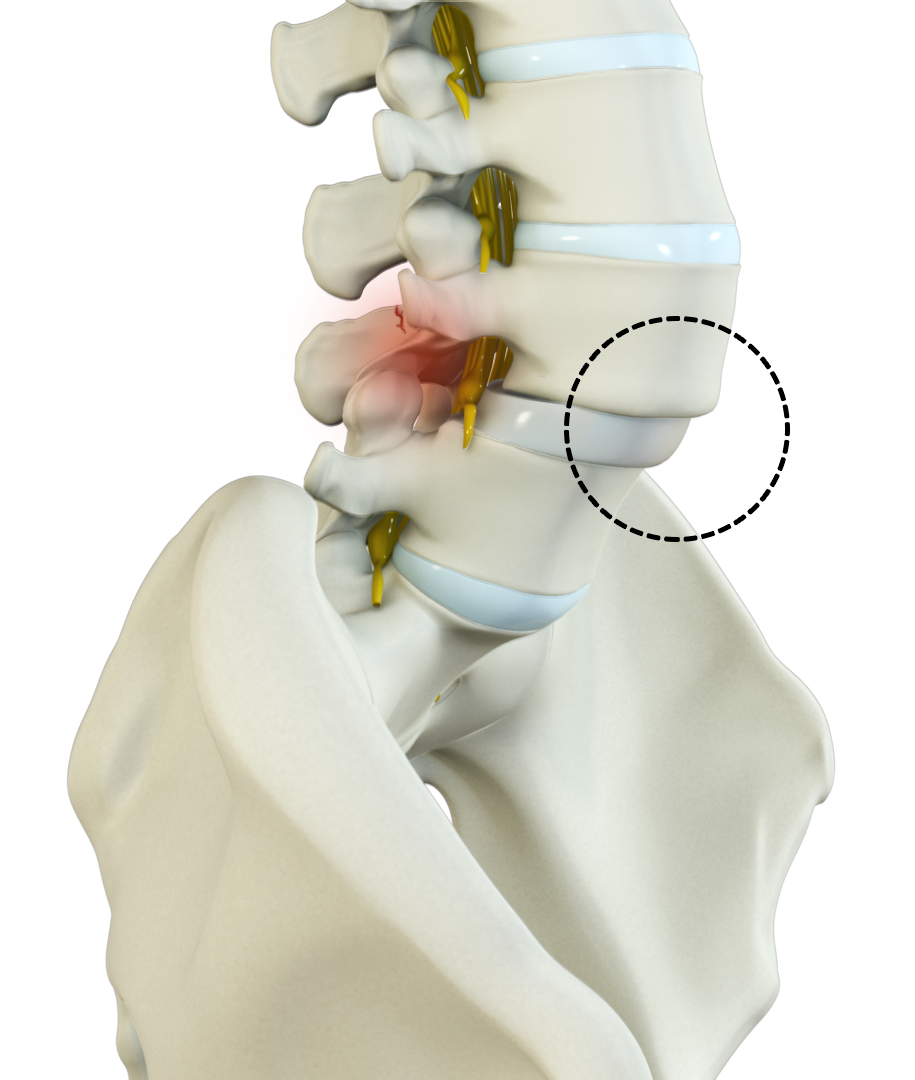
Spondyloarthropathies
Spondyloarthropathies are a group of chronic inflammatory diseases of the spine and joints.
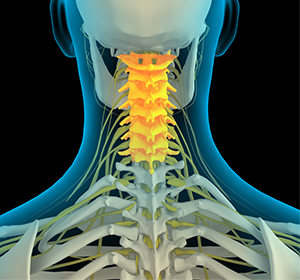
Cervical Spine Anatomy
The cervical spine is highly mobile compared to the thoracic or lumbar spine. In contrast to other parts of the spine, the cervical spine has transverse foramina in each vertebra through which the vertebral arteries supply blood to the brain.
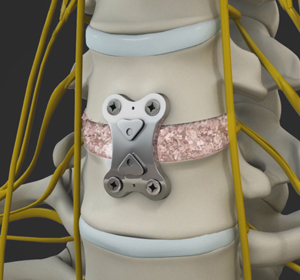
Anterior Cervical Discectomy with Fusion
Anterior cervical discectomy with fusion is an operative procedure to relieve compression or pressure on nerve roots and/or the spinal cord due to a herniated disc or bone spur in the neck.
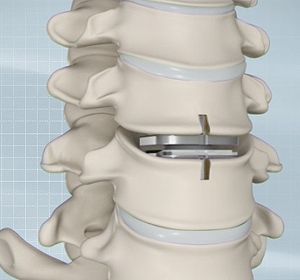
Artificial Cervical Disc Replacement (Arthroplasty)
Artificial cervical disc replacement is a spine surgery to replace a degenerated (deteriorated) disc in the neck with an artificial disc.
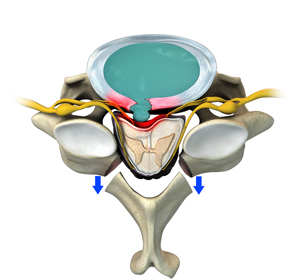
Posterior Cervical Laminectomy and Fusion
Posterior cervical laminectomy and fusion is a surgical procedure performed through the back of the neck to relieve pressure over compressed nerves in the cervical spine region caused by inflamed spinal tissue or nerves.
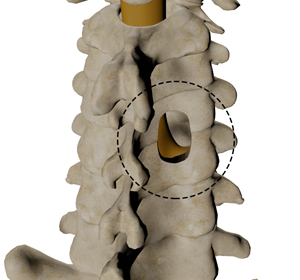
Posterior Cervical Foraminotomy
Posterior cervical foraminotomy is a surgical procedure performed through the back of the neck to relieve symptoms of a pinched or compressed spinal
Cervical Disc Replacement
Cervical disc replacement surgery is an alternative to the traditional cervical spine fusion surgery,
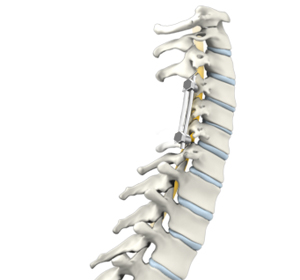
Cervical Spine Fusion
Cervical spine fusion is a surgery performed to fuse weak cervical vertebrae with adjacent vertebrae to provide stability and prevent injury to the spinal cord.
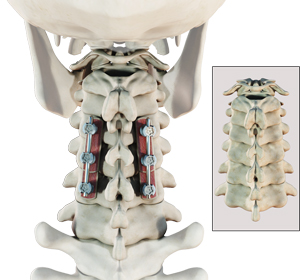
Posterior Cervical Fusion
Posterior cervical fusion (PCF), a surgical procedure performed through the back of the neck, involves joining or fusing two or more damaged cervical vertebrae.
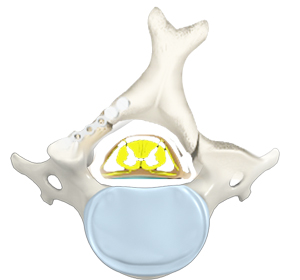
Cervical Laminoplasty
A cervical laminoplasty is an operative procedure that involves reshaping/repositioning the bone at the neck region (cervical spine)
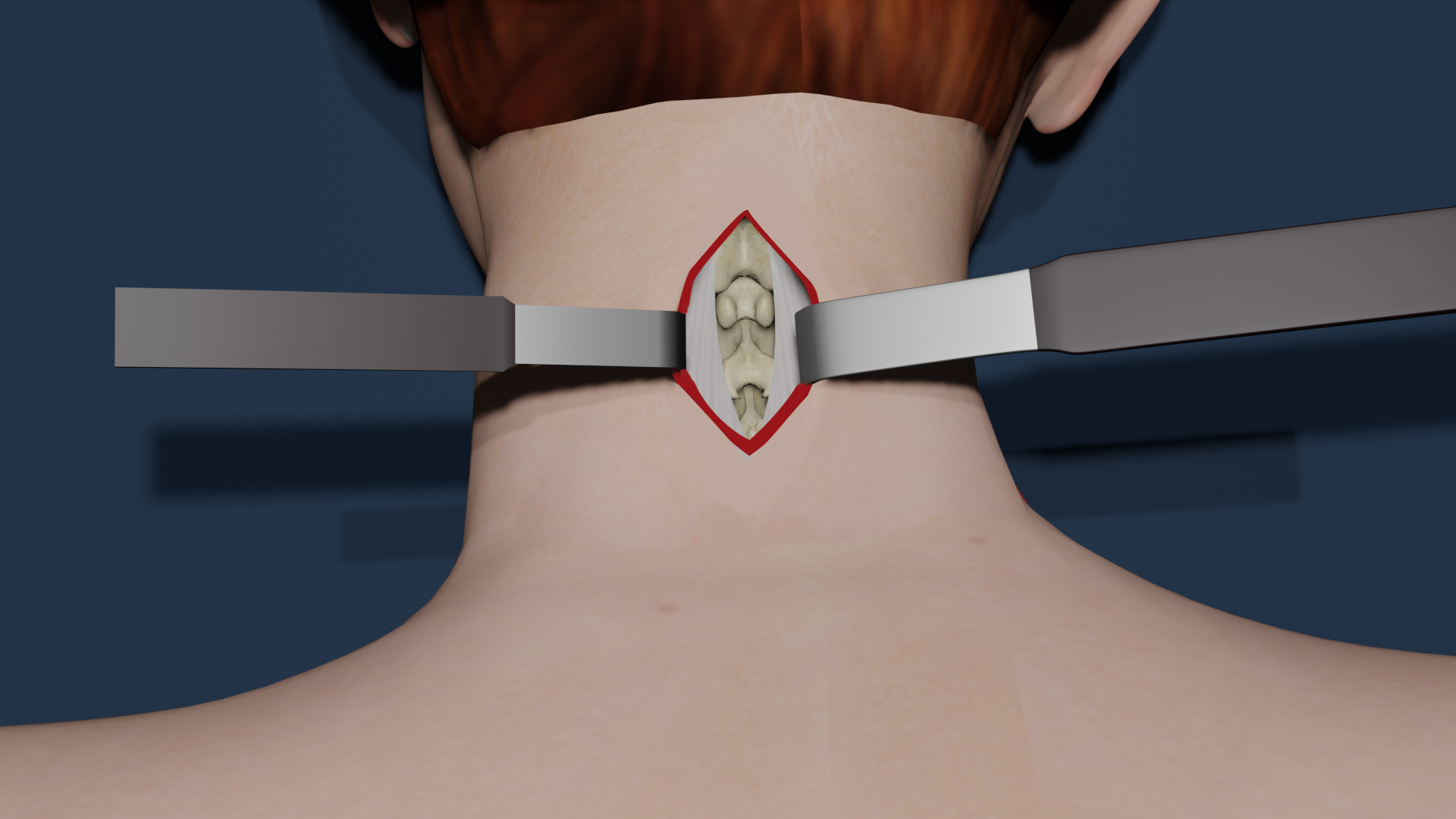
Minimally Invasive Cervical Discectomy
Minimally invasive cervical discectomy involves a small incision(s) and minimal muscle dilation to separate the muscle fibres surrounding the spine
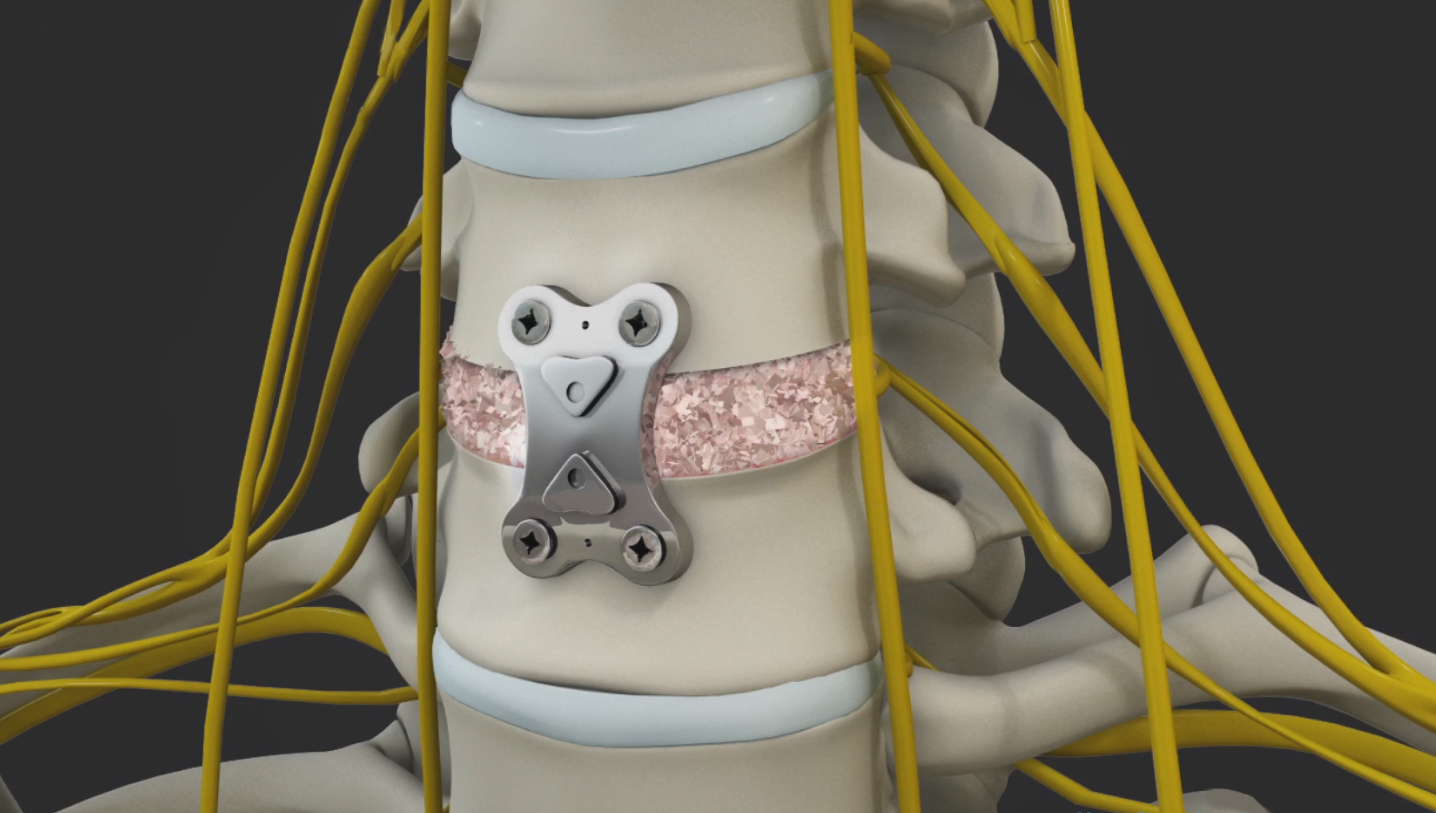
Anterior Cervical Discectomy
Anterior cervical discectomy is an operative procedure to relieve pressure or compression on the nerve roots and/or the spinal cord
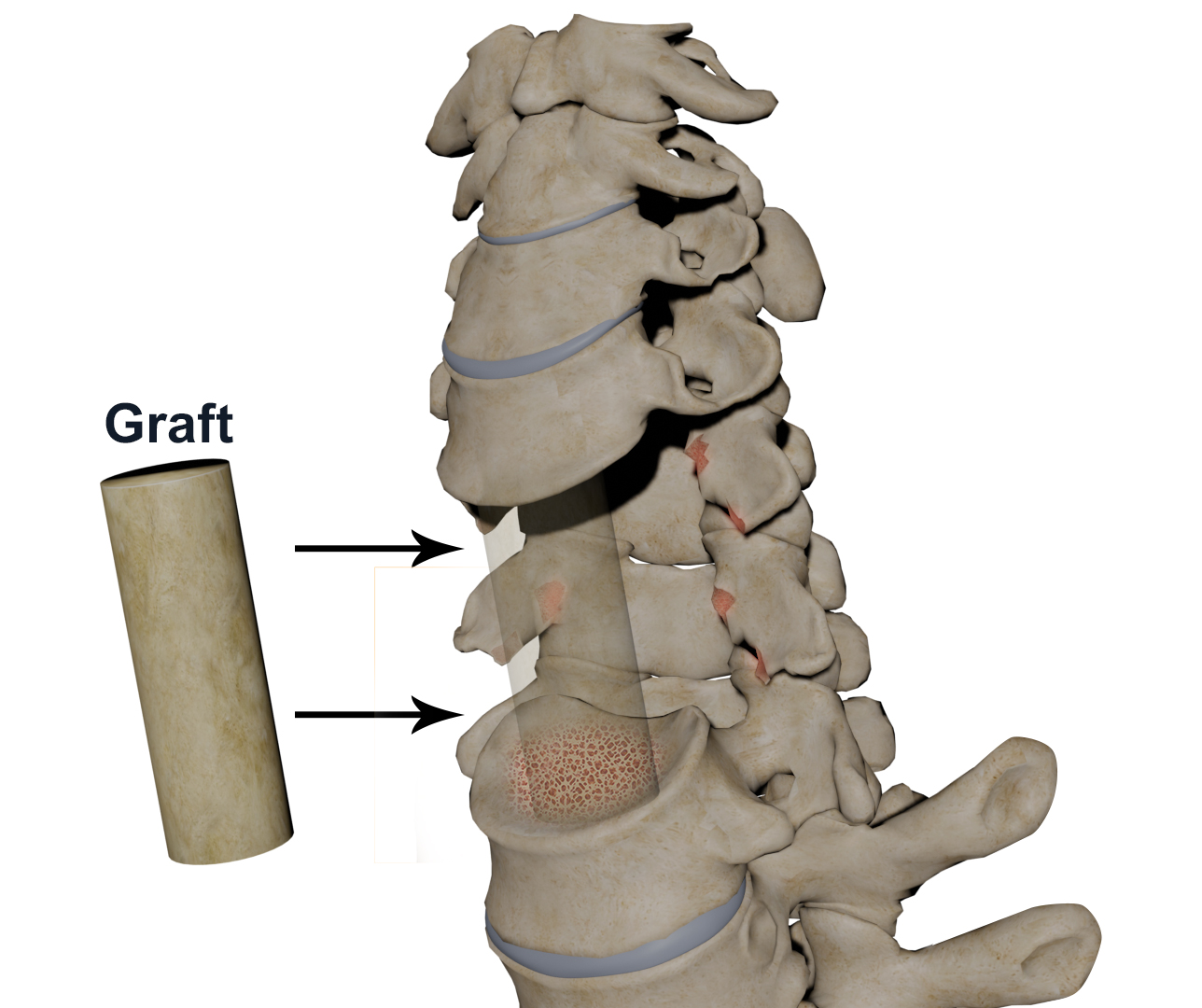
Cervical Corpectomy and Strut Graft
A cervical corpectomy and strut graft is a surgical procedure aimed at relieving the compression on the spinal cord
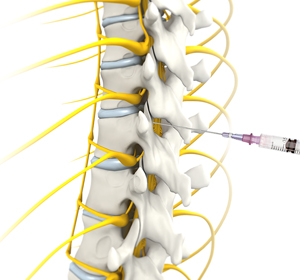
Epidural Steroid Injections
Epidural steroid injection (ESI) is a minimally invasive approach to treat inflammation of spinal nerves that causes pain in the neck, arms, back and legs. This technique may help relieve back pain in conditions such as spinal stenosis, spondylolysis or herniated discs.
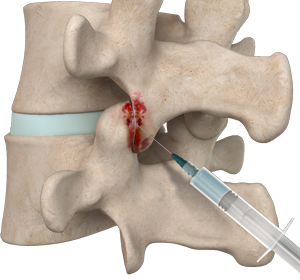
Facet Injections
A minimally invasive treatment called facet injection offers symptomatic relief from back pain caused by inflammation of the facet joints
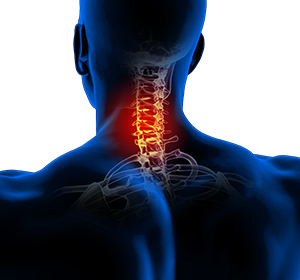
Neck Pain
Common neck pain may occur from muscle strain or tension from everyday activities including poor posture, prolonged use of a computer and sleeping in an uncomfortable position.
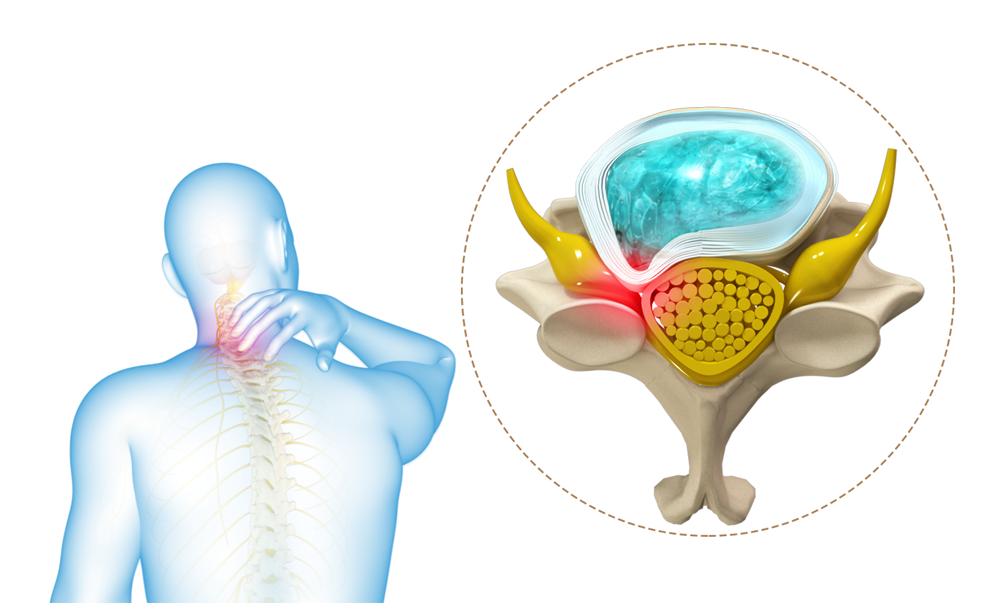
Cervical Radiculopathy/Myelopathy
Disc protrusion, also called herniated disc, is a condition caused by a tear in an intervertebral disc, allowing the disc contents to bulge out.
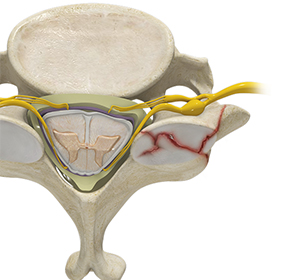
Cervical Fracture
Cervical fractures are common in motor vehicle accidents, sports activities and falls.
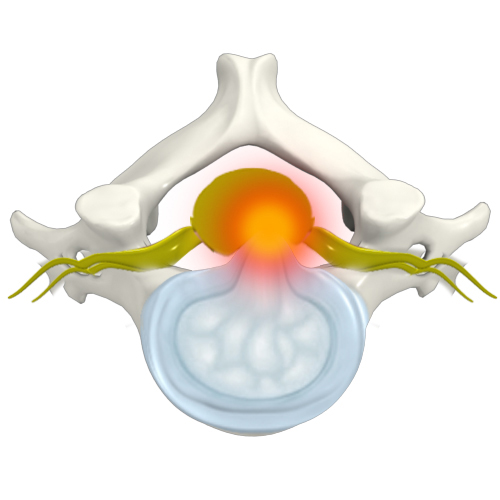
Cervical Disc Protrusion
Cervical disc protrusion, commonly known as a disc bulge, occurs when the spinal discs and associated ligaments
Whiplash
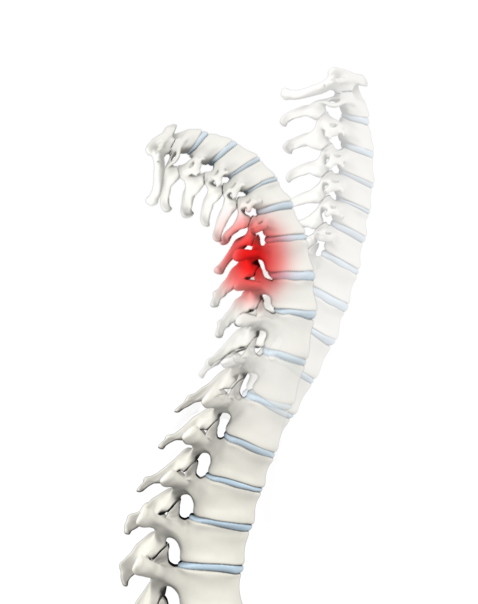
Whiplash is a soft tissue injury to the neck, usually caused by a sudden forceful jerk commonly occurring because of an automobile accident
Cervical Degenerative Disorder
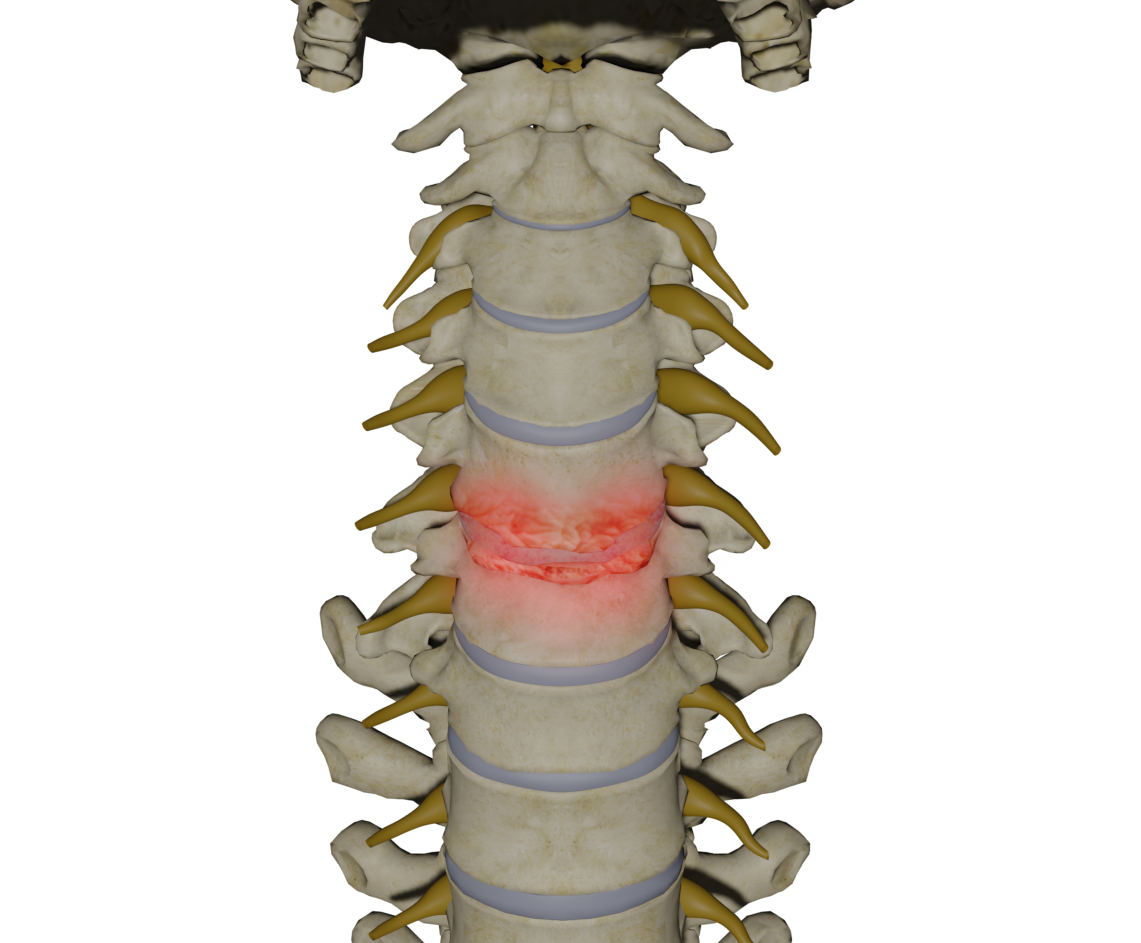
Cervical degenerative disc disease (DDD) is a misnomer as it is not a disease but a condition that affects the strength, resiliency
What’s New in Cervical Herniated Disc
Herniation of a disc is an anomalous spine condition characterized by leakage of the inner contents of the intervertebral disc
Thoracic Spine Anatomy
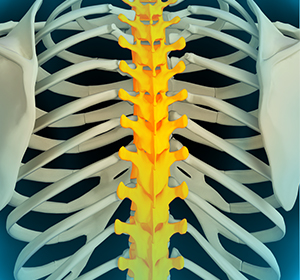
The thoracic spine is the central part of the spine, also called the dorsal spine, which runs from the base of the neck to the bottom of your rib cage. The thoracic spine provides the flexibility that holds the body upright and protects the organs of the chest.
Thoracic Laminectomy
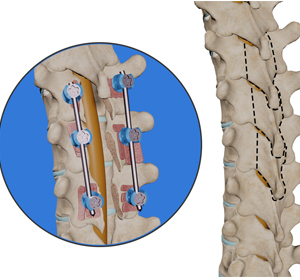
The vertebral column supports the back and protects the spinal cord that runs through it. The nerves that branch out from the spinal cord are also protected
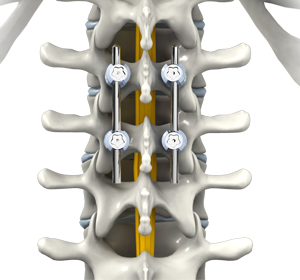
Thoracic Spinal Fusion
Thoracic spine fusion is a surgical procedure in which two or more bones (vertebrae) of the thoracic spine are joined together so as to eliminate the movement between them.
Thoracic Vertebroplasty
Thoracic vertebroplasty is a minimally invasive procedure performed to reduce or eliminate pain caused by vertebral compression fractures.
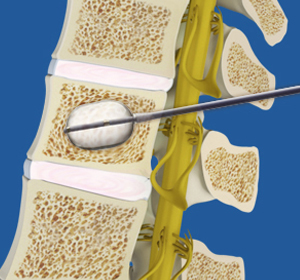
Thoracic Kyphoplasty
Thoracic Kyphoplasty is an elective surgery in` the mid spine or thoracic region to repair a vertebral compression fracture causing severe back pain
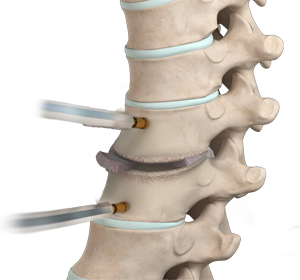
Thoracic Discectomy
The human spine provides support to the body allowing you to stand upright, bend, and twist.
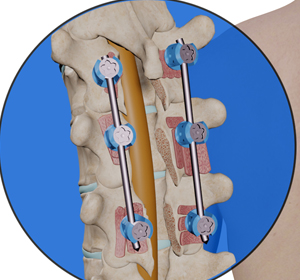
Thoracic Corpectomy
Thoracic corpectomy is a surgical procedure performed to relieve pressure on a nerve at the thoracic region (upper and middle back) by removing the source of the compression.
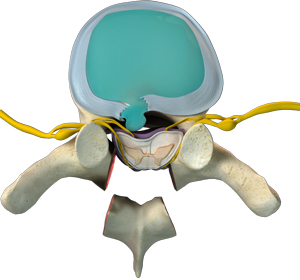
Thoracic Spine Decompression
Thoracic spine decompression is a procedure to relieve pressure on the spinal nerves in the middle portion of the back.
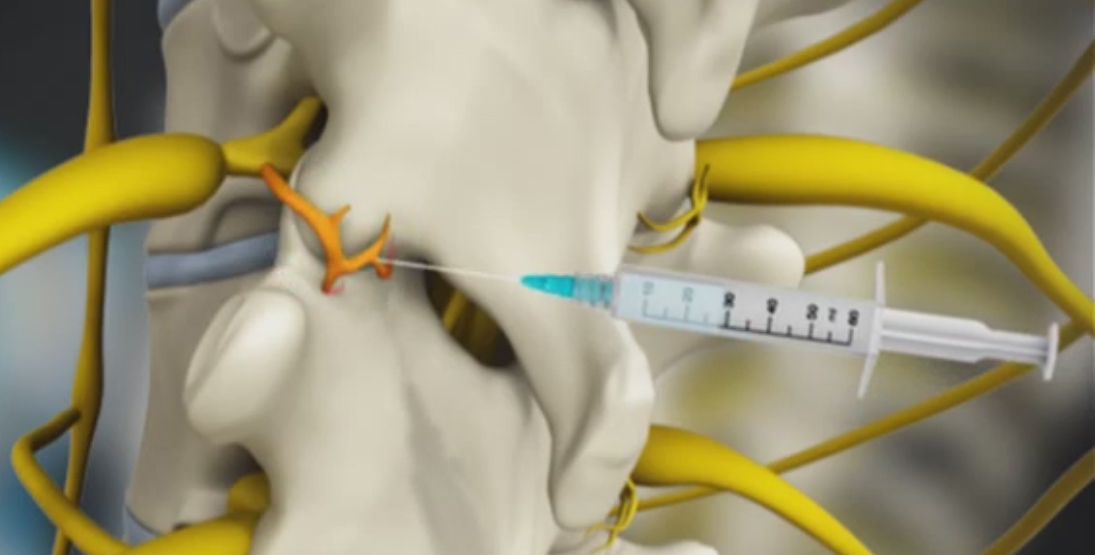
Thoracic Spinal Injections
Thoracic spine injections are involved in the assessment and treatment of pain in the upper back, chest and rarely, the arm.
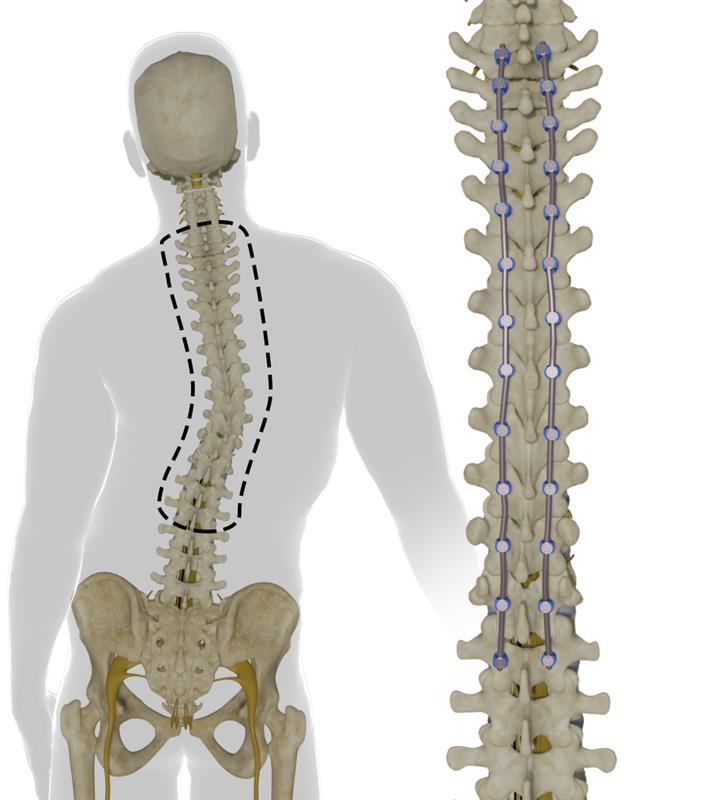
Scoliosis Treatment
Scoliosis is the abnormal curvature of the spine giving the spine an “S” or “C” shape. Scoliosis can occur at any age and is more common in girls than boys. Larger curves cause discomfort while the smaller curves do not cause any problems. In most cases, the exact cause remains unknown.
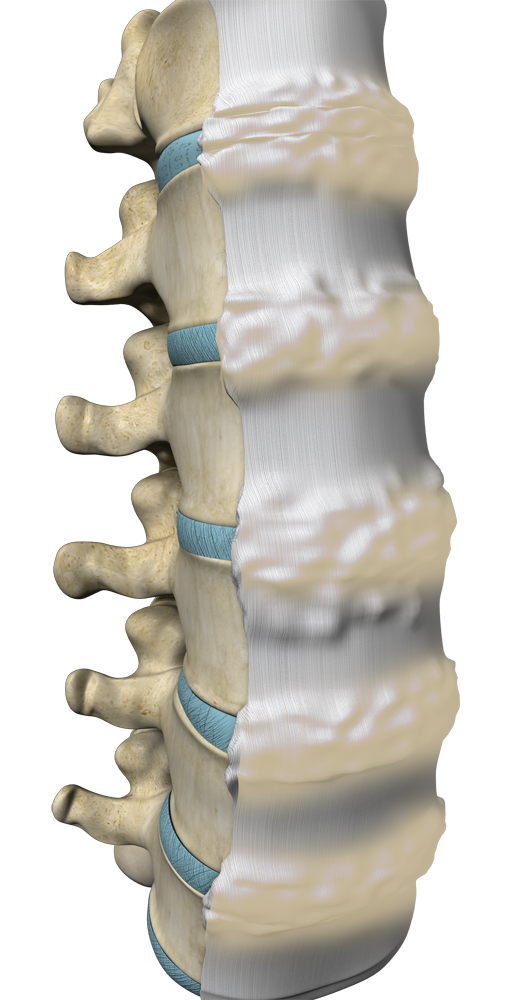
DISH (Diffuse Iliopathic Skeletal Hyperostosis)
Diffuse idiopathic skeletal hyperostosis (DISH) is a condition commonly affecting the spine characterized by calcification (bony hardening) of ligaments, tendons and joint capsule insertions.
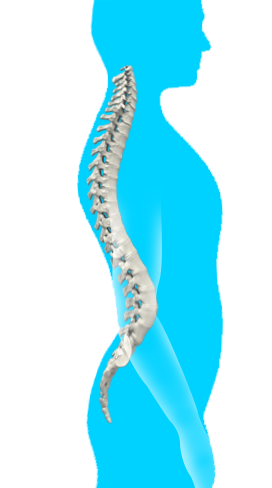
Lordosis
The spine forms a natural curve at the neck, torso, and lower back, which allows it to absorb shock and hold the weight of your head.
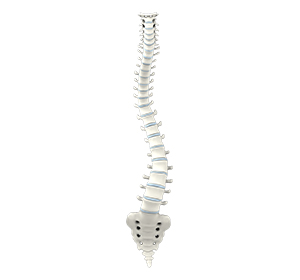
Scoliosis
Scoliosis is a condition characterized by the abnormal curvature of the spine that causes a deviation to one side.
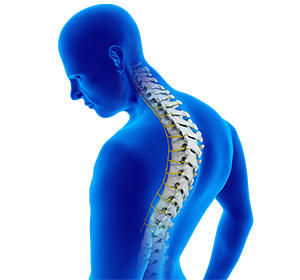
Kyphosis
Kyphosis is a condition of abnormal curvature of the spine that causes rounding of the upper back or a hunchback.
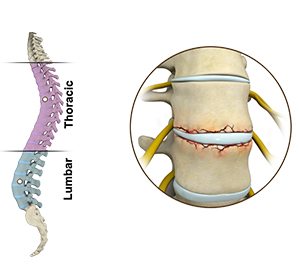
Fracture of the Thoracic and Lumbar Spine
The backbone is made of small bones arranged from the neck down to the buttocks, one above the other.
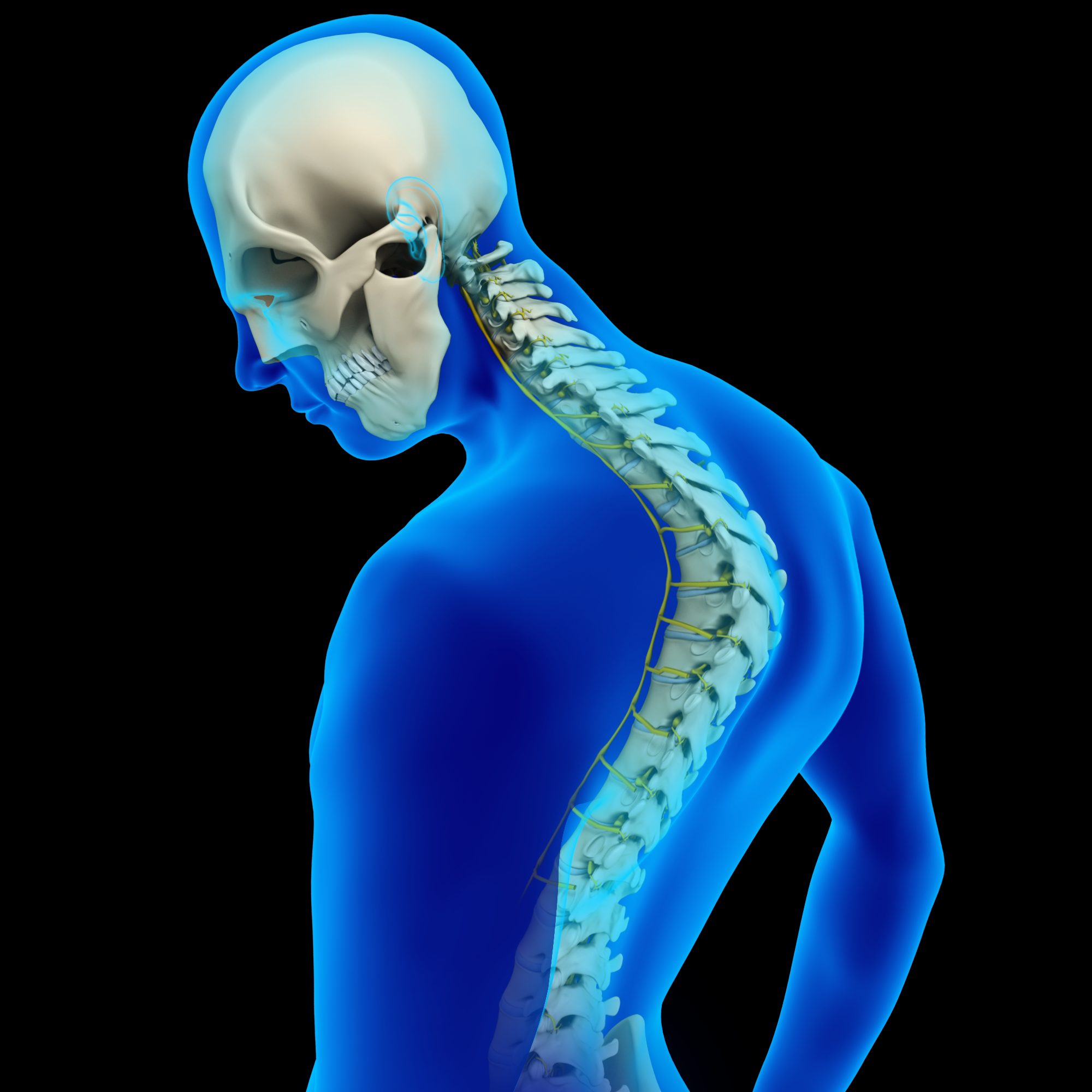
Scheuermann’s Disease
Scheuermann’s kyphosis is a deformity of the spine that develops during growth.
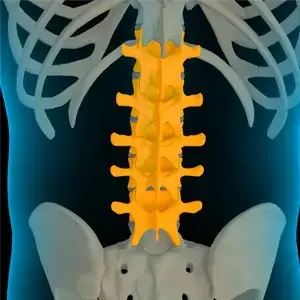
Lumbar Spine Anatomy
The lumbar spine is composed of the lower 5 vertebrae, which have been numbered L1–L5. The lowest vertebra of the lumbar spine (L5) is connected to the top of the sacrum, which is a triangular bone present at the base of the spine fitting into the two pelvic bones. In some cases, an extra or sixth lumbar vertebra may be present.
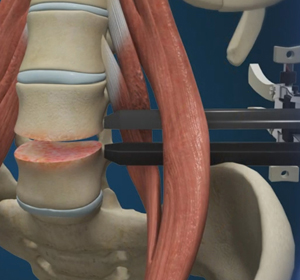
Lumbar Discectomy
A lumbar discectomy is a surgical procedure performed to treat a herniated or ruptured disc and relieve pressure on the spinal nerves.
Lumbar Laminectomy
Lumbar laminectomy is a spinal surgery to relieve excess pressure on the spinal cord or nerves within the spinal canal in the lumbar or lower back region.
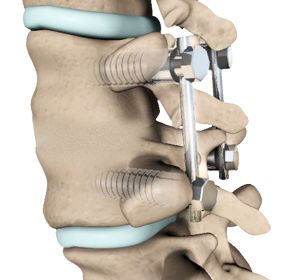
Lumbar Fusion
Spinal fusion, also called arthrodesis, is a surgical technique used to join two or more vertebrae (bones) within the spine.
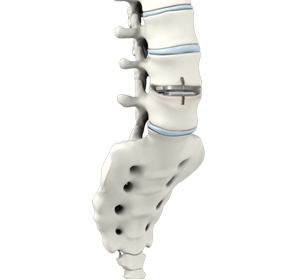
Lumbar Artificial Disc Replacement
Lumbar artificial disc replacement is a surgical procedure employed to remove and replace a damaged or worn out disc in the lumbar or lower part of your spine
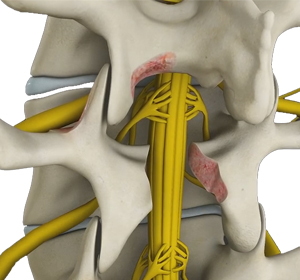
Lumbar Decompression
Lumbar decompression is a surgical procedure performed to relieve pressure over the compressed nerves in the lower spine (lumbar region).
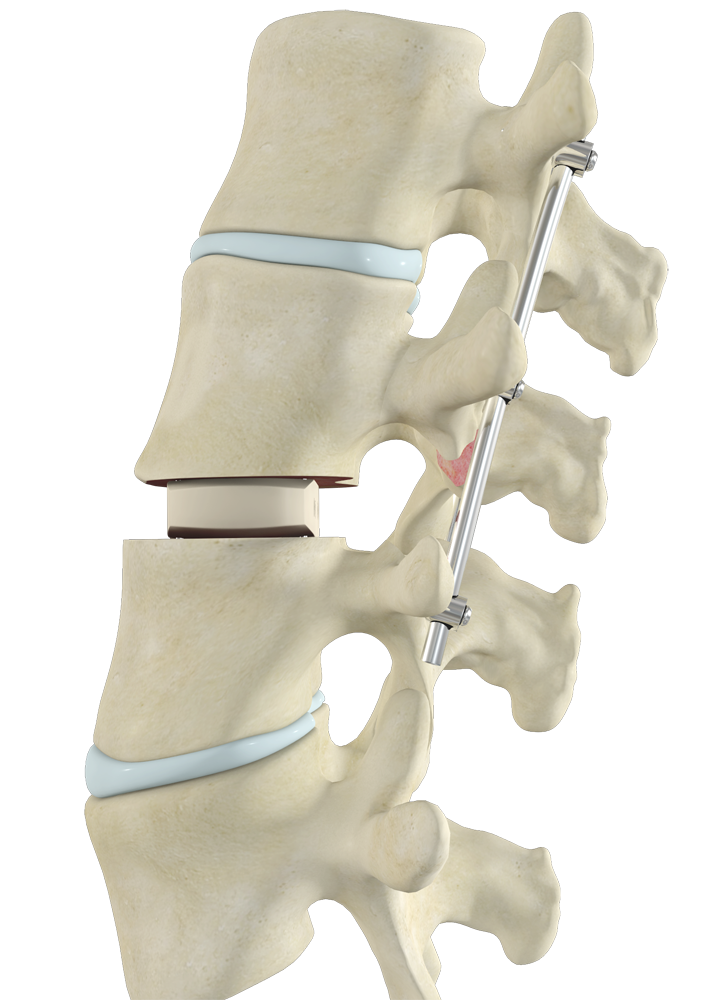
Transforaminal Lumbar Interbody Fusion
Transforaminal lumbar interbody fusion (TLIF) is a type of spinal fusion procedure in which bone graft is placed between the affected vertebrae in the lower back
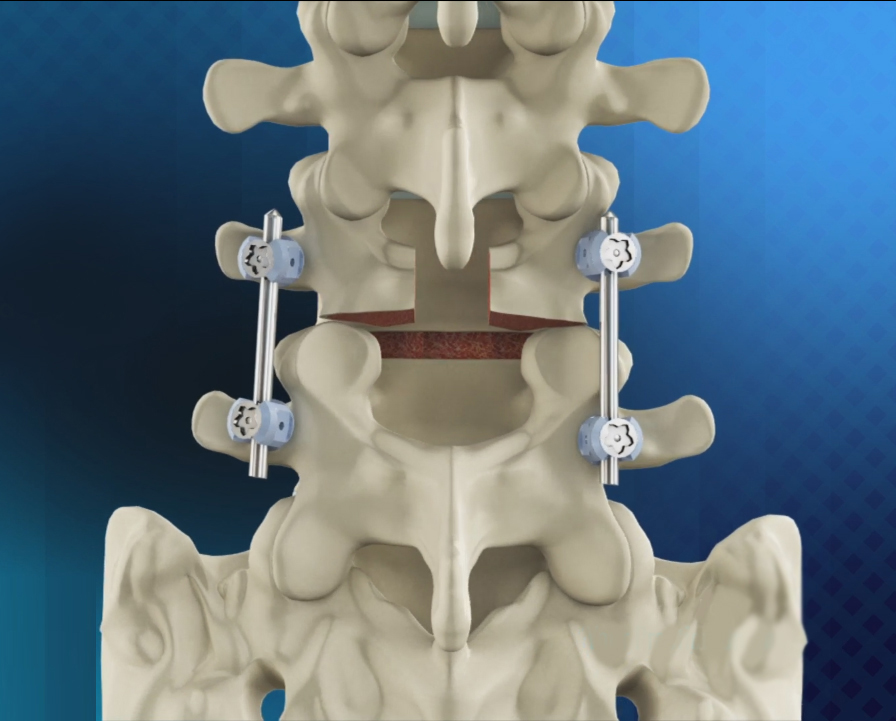
Posterior Lumbar Fusion
Spinal fusion, also called arthrodesis, is a surgical technique used to join two or more vertebrae (bones) within the spine.
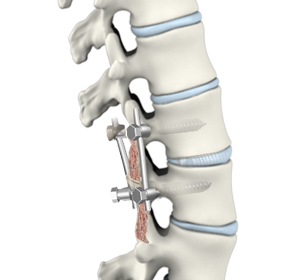
Posterior Lumbar Interbody Fusion
Spinal fusion is a surgical technique that joins two or more vertebrae in the spine to minimize the pain caused by the movement of these vertebrae.
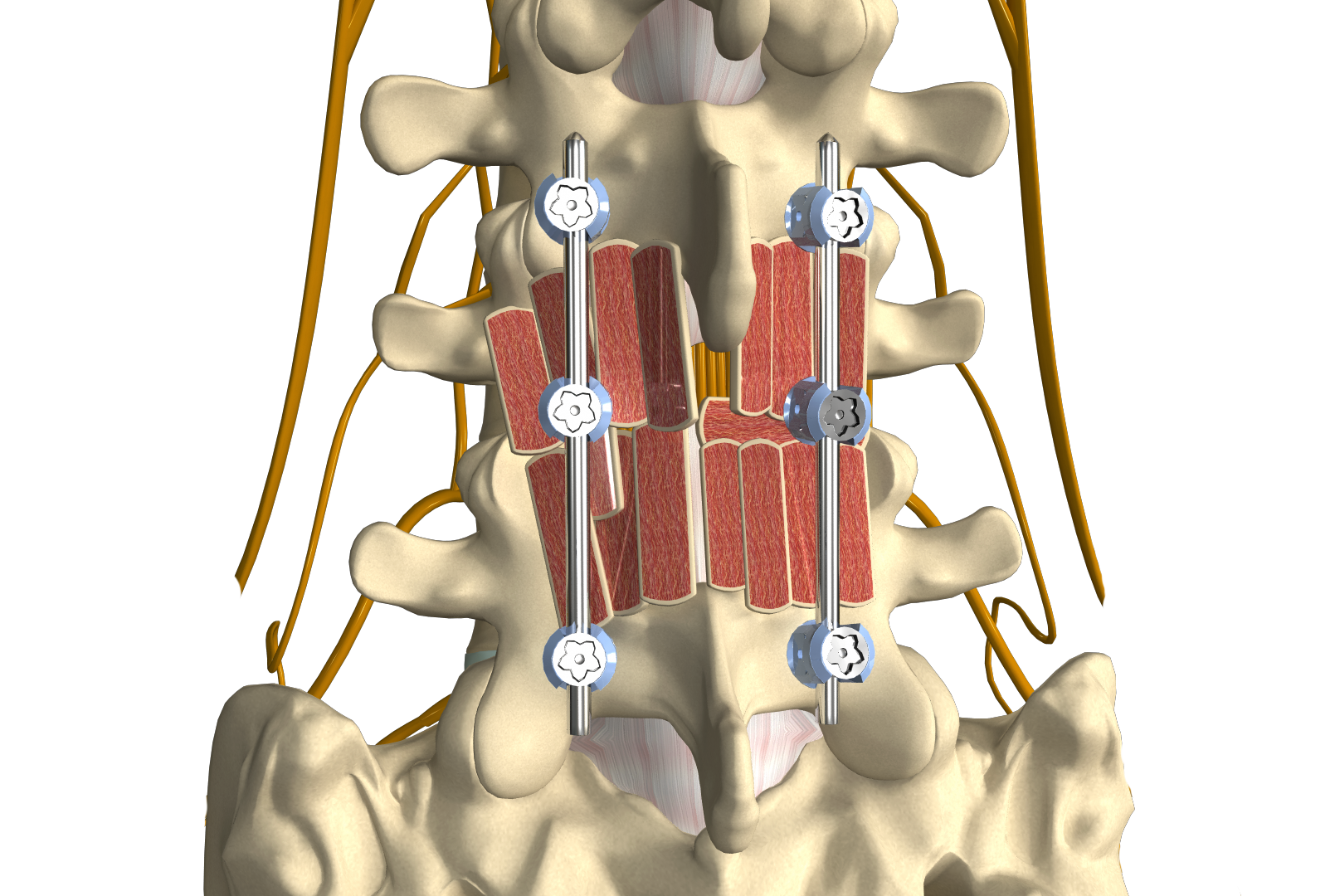
Posterolateral Lumbar Fusion
Posterolateral lumbar fusion is a surgical technique that involves correcting spinal problems from the back of the spine by placing bone graft between segments in the back and leaving the disc space intact.
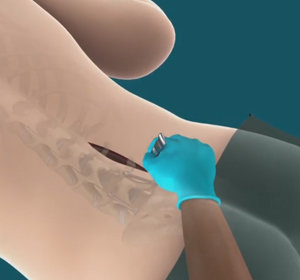
Lower Back (Lumbar) Surgery
Lower back pain is one of the most common health problems experienced by most individuals, at different phases of their lives.
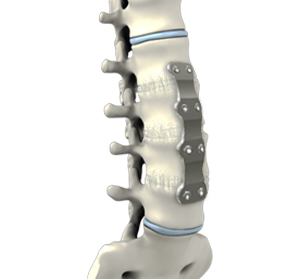
Lumbar Corpectomy and Fusion
Lumbar corpectomy and fusion is a surgical technique performed to remove the vertebral bone or disc material between the vertebrae to alleviate pressure on the spinal cord
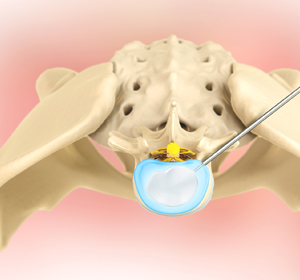
Lumbar Endoscopic Discectomy
Lumbar endoscopic discectomy is a minimally invasive surgical procedure to treat a herniated or ruptured disc and relieve pressure on the spinal nerves.
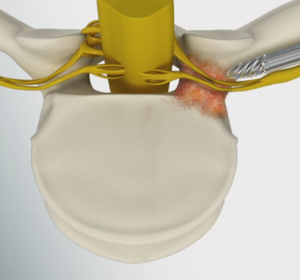
Lumbar Foraminotomy, Facetectomy
Facetectomy and foraminotomy are the most common spinal surgical procedures recommended for chronic pain due to spinal nerve compression.
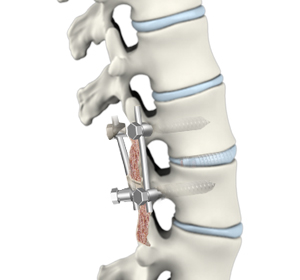
Lumbar Interbody Fusion
Lumbar interbody fusion (LIF) surgery is a surgical technique that involves the removal of a damaged intervertebral disc and the insertion of a bone graft
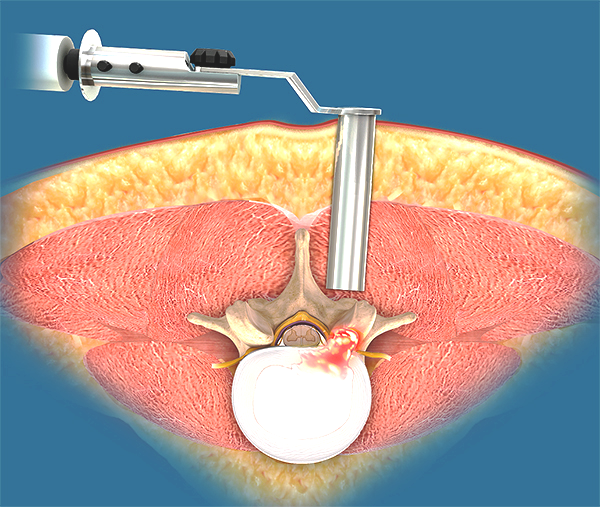
Minimally Invasive Lumbar Surgery
Spinal surgery can be performed by two different approaches; one is the conventional open surgical approach and the other is the advanced minimally invasive approach.
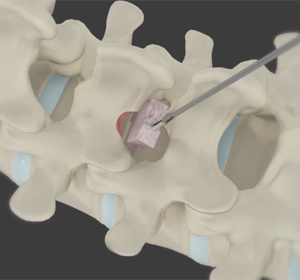
Minimally Invasive Lumbar Discectomy
Lumbar discectomy is a spinal surgery that involves the removal of the damaged intervertebral disc(s) to relieve pressure on the spinal nerves (decompression) in the lumbar (lower back) region
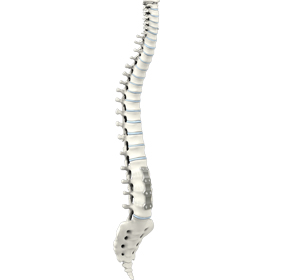
Anterior Lumbar Corpectomy and Fusion
Anterior Lumbar Corpectomy and Fusion is a surgical technique performed to remove the vertebral bone or disc material
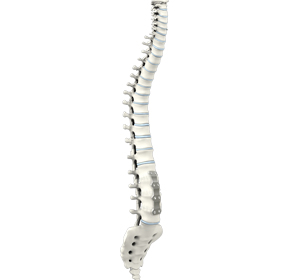
Anterior Lumbar Interbody Fusion
Anterior lumbar interbody fusion (ALIF) is a surgery performed to correct spinal problems in the lower back.
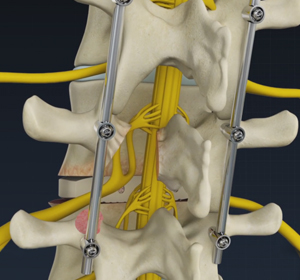
Minimally Invasive TLIF
Transforaminal lumbar interbody fusion (TLIF) is a minimally invasive fusion of the vertebrae of the lumbar region (lower back).
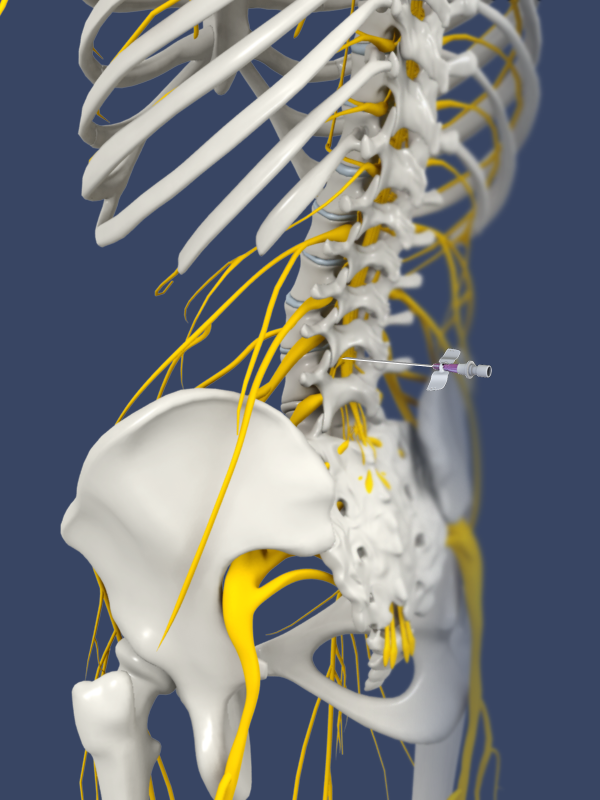
Lumbar Sympathetic Block
A lumbar sympathetic block is an injection of a local anaesthetic and steroid that is injected into or around the sympathetic nerves to block
Facet Injection
The facet joints are the tiny joints situated at the upper and lower part of each vertebra, connecting one vertebra to the other.
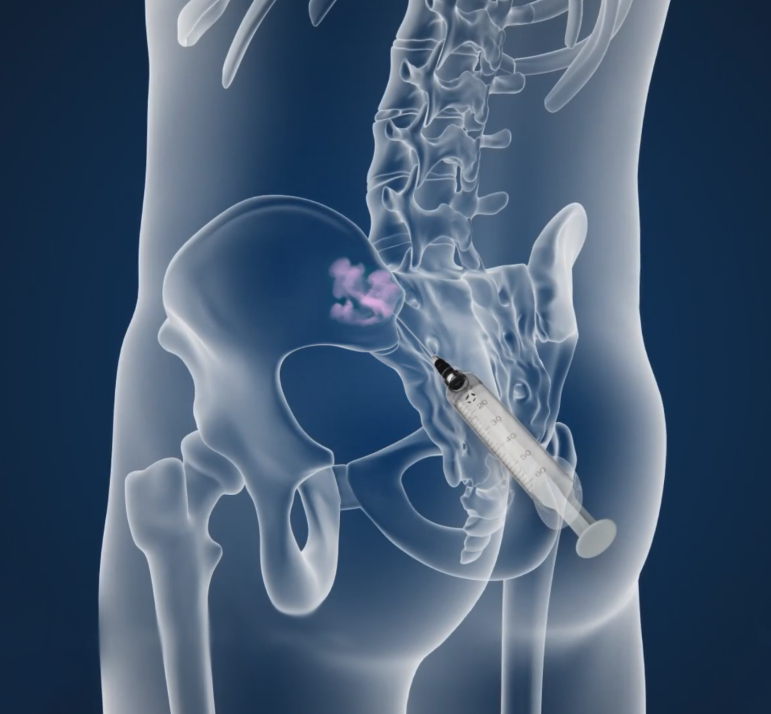
Sacroiliac Joint Injections
Sacroiliac joints (SI joint) are joints in the lower back region, where the sacrum and ilium bones join.
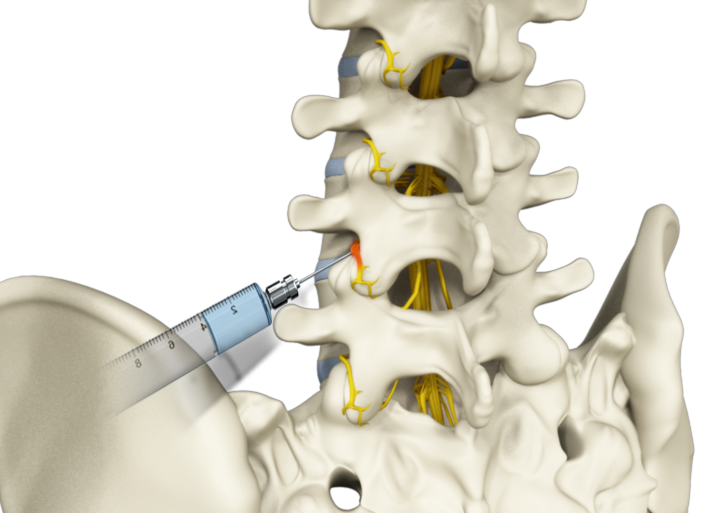
Lumbar Spinal Injections
Lumbar spine injections are utilized in the assessment and treatment of low back pain.
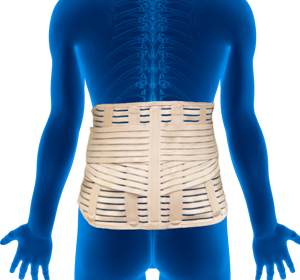
Lumbar Spinal Bracing
Lumbar braces are external devices used to restrict the movement of the lumbar spine and provide support and stability to the lower back region, to relieve back pain and promote healing after surgery or injury.
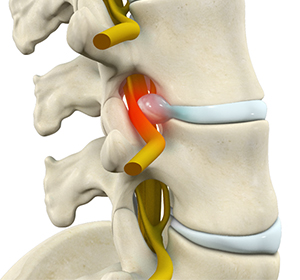
Lumbar Radiculopathy
Back pain is a common condition affecting approximately 80% of the population at some point in their lives.
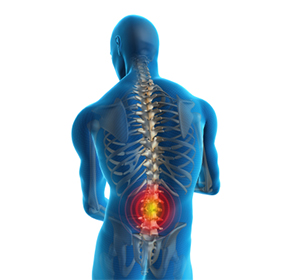
Low Back Pain
Low back pain is often a common symptom of many disease conditions and the back pain may range from simple or dull pain to sudden and sharp pain.
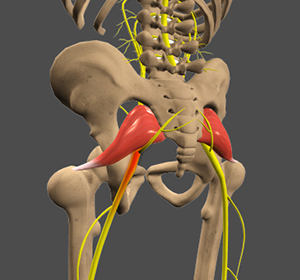
Sciatica
Sciatica is a painful condition caused by the irritation of the sciatic nerve. Sciatica can be acute (short term), lasting for a few weeks or chronic (long term), persisting for more than 3 months.
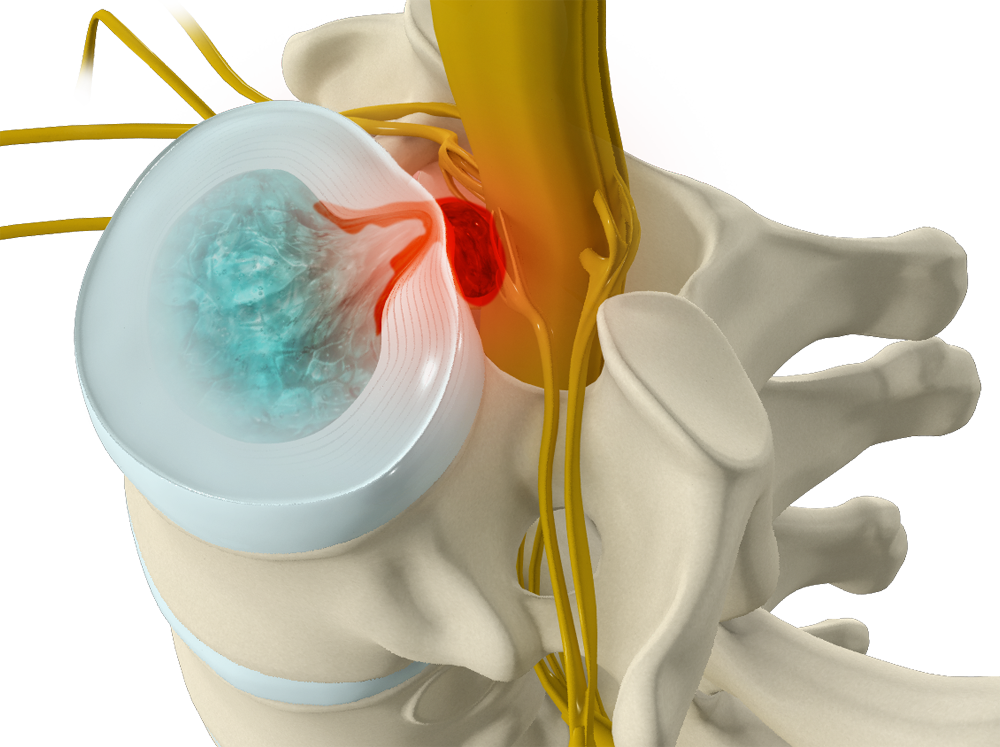
Cauda Equina Syndrome
What Cauda equina syndrome is an emergency condition characterized by persistent severe lower back pain caused by the compression of a bundle of spinal nerves
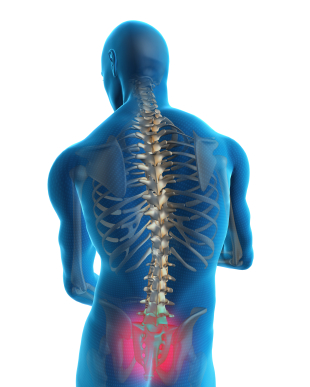
Sacroiliac Joint Dysfunction
The sacrum is the triangular-shaped bone at the bottom of the spine, below the lumbar spine.
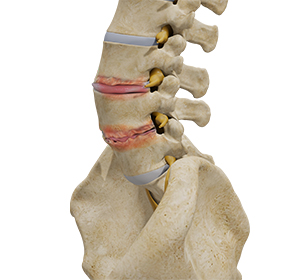
Lumbar Degenerative Disc Disease
Lumbar degenerative disc disease (DDD) is a common cause of lower back pain. Over time, these natural shock absorbers wear out and degenerate.
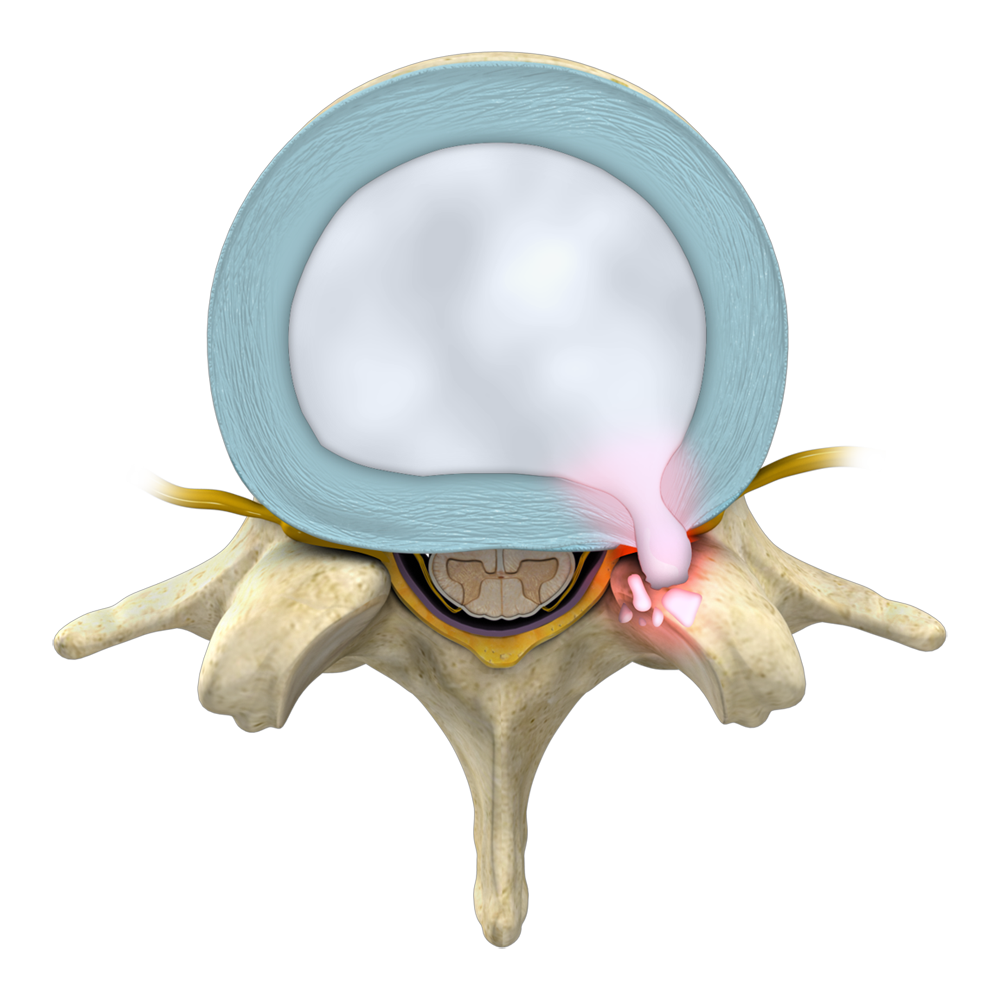
Lumbar Disc Herniation
Lumbar disc herniation is the most common cause of lower back pain and leg pain (sciatica). Ageing, injury or trauma may cause the annulus fibrosus to tear, resulting in protrusion of the nucleus pulposus.
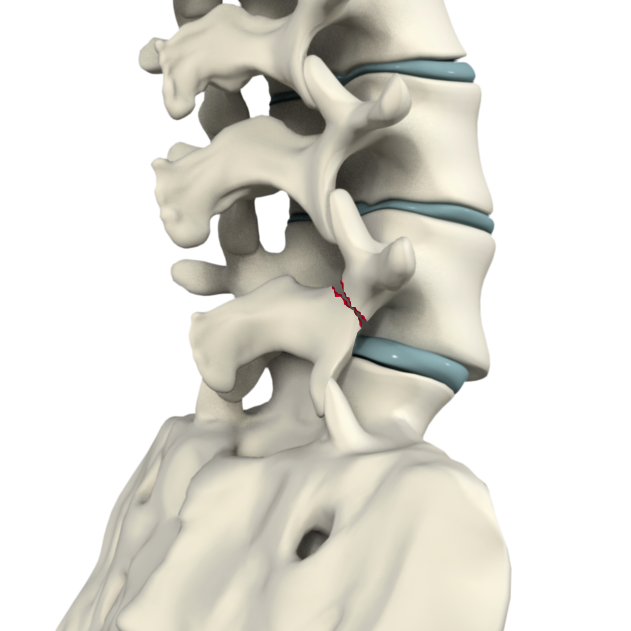
Spondylolysis
Spondylolysis is a stress fracture in the vertebra that may progress into spondylolisthesis, a condition where the vertebra gets displaced from the spinal column.
Spondylolisthesis
Spondylolisthesis is the displacement of the vertebral disc from the spinal column. Outward (forward) displacement is termed as anterolisthesis and inward (backward) displacement is termed as retrolisthesis.
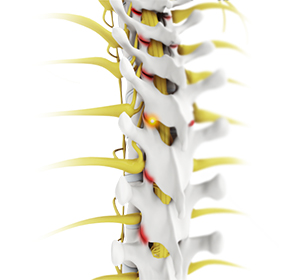
Facet joint Arthritis
Facet joints, also called zygapophyseal joints, are synovial joints located at the back of your spine, connecting the vertebrae together.
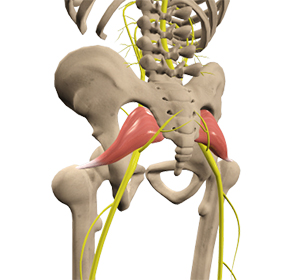
Piriformis Syndrome
Piriformis Syndrome is an uncommon, rare neuromuscular condition caused by the compression of the sciatic nerve by the piriformis muscle.